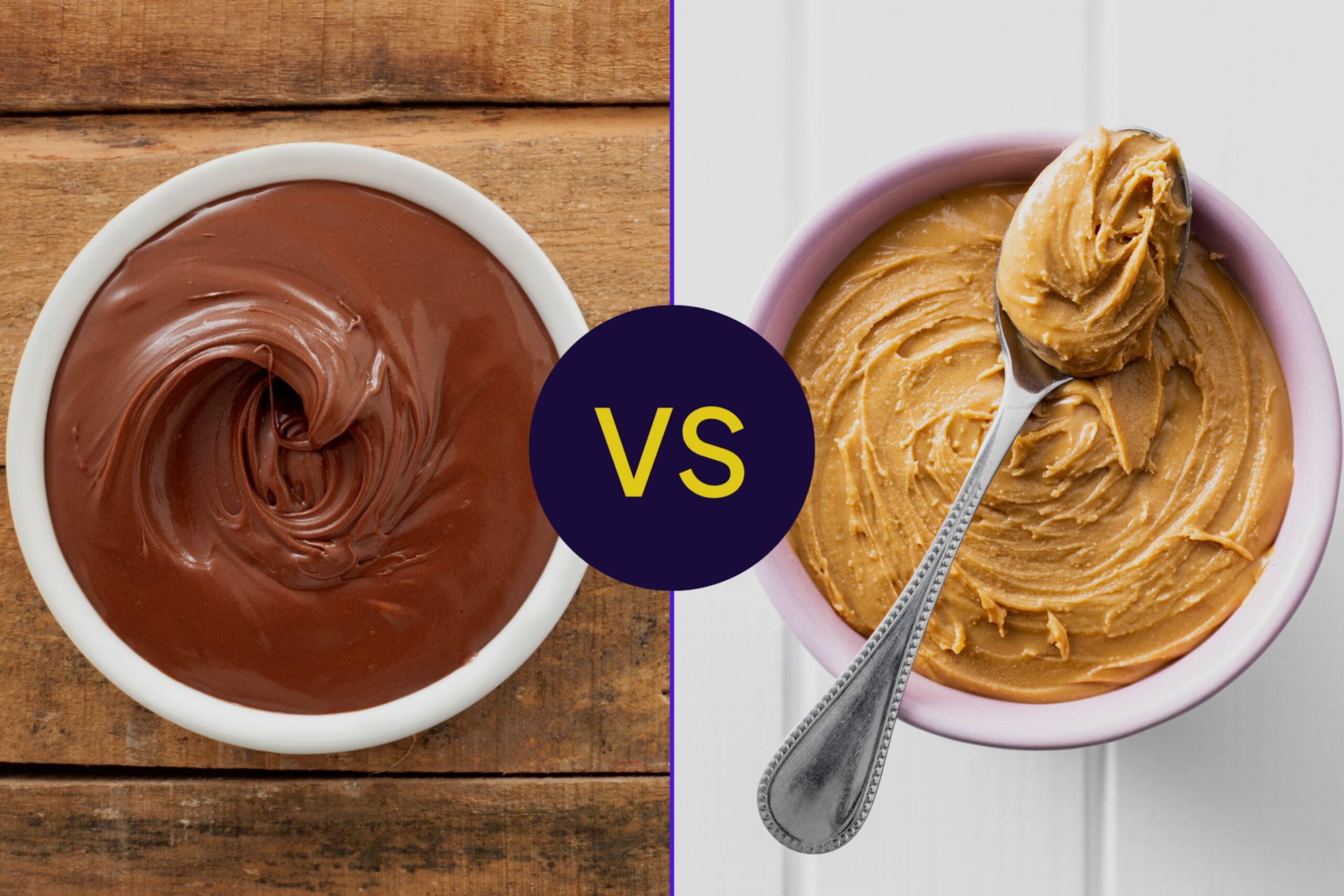
Peanut butter and Nutella are both widely consumed nut-based spreads, but their nutritional profiles differ significantly. While both contain fats and some protein, peanut butter emerges as the more nutritious choice due to its higher protein and fiber content, and healthier fat composition. The key difference lies in the ingredients: peanut butter primarily consists of peanuts, while Nutella’s first ingredients are sugar and palm oil, with hazelnuts listed third.
Protein Content: Peanut Butter Takes the Lead
A standard 2-tablespoon serving reveals a clear advantage for peanut butter:
- Peanut Butter: Approximately 7 grams of protein.
- Nutella: Roughly 2 grams of protein.
This difference stems from the inherent protein density of peanuts compared to hazelnuts, making peanut butter a more substantial protein source.
Fiber Comparison: Minor Edge to Peanut Butter
Fiber content is similar in both spreads, but peanut butter still provides more:
- Peanut Butter: Around 1.82 grams of fiber per serving.
- Nutella: Approximately 1 gram of fiber.
While neither is a high-fiber food, the slight advantage in peanut butter contributes to better gut health and more stable blood sugar levels.
Fat Composition: Quality Over Quantity
Nutella contains fewer total fats per serving (11 grams) compared to peanut butter (15.8 grams). However, the type of fat matters. Peanut butter primarily contains unsaturated fats, which are considered heart-healthy. Nutella, with a higher proportion of saturated fats from palm oil, raises questions about long-term cardiovascular effects.
The debate surrounding palm oil continues, but dietary guidelines generally recommend prioritizing unsaturated fats over saturated ones.
The Benefits of Peanut Butter: A Nutrient-Rich Choice
Peanut butter offers several nutritional advantages:
- Satiety: High in protein and fiber, promoting fullness and aiding in weight management.
- Micronutrients: Contains magnesium, potassium, phosphorus, and vitamin E.
- FDA Regulation: Must contain at least 90% peanuts, ensuring a substantial peanut base.
However, it’s important to check labels for added sugar and sodium, as these can vary between brands.
Nutella: A Treat with Limited Nutritional Value
Nutella’s high sugar content (21 grams per 2-tablespoon serving) exceeds the American Heart Association’s daily recommendations for many individuals. Its saturated fat content also raises health concerns. While it does offer some protein, fiber, and antioxidants, these benefits are overshadowed by its sugar and palm oil composition.
Incorporating Spreads into Your Diet
For optimal health, choose natural peanut butter with minimal added ingredients. Be mindful of portion sizes due to its caloric density (188 calories per 2 tablespoons). Nutella should be consumed as an occasional treat rather than a dietary staple.
Ultimately, peanut butter provides more substantial nutritional benefits compared to Nutella, making it a healthier choice for most individuals. Choosing whole, unprocessed foods whenever possible remains the cornerstone of a balanced diet.