In the high-stakes world of professional sports, the difference between a podium finish and an injury often comes down to a single factor: recovery. While much of the focus remains on training intensity, the ability to bounce back quickly and efficiently has become a decisive competitive advantage.
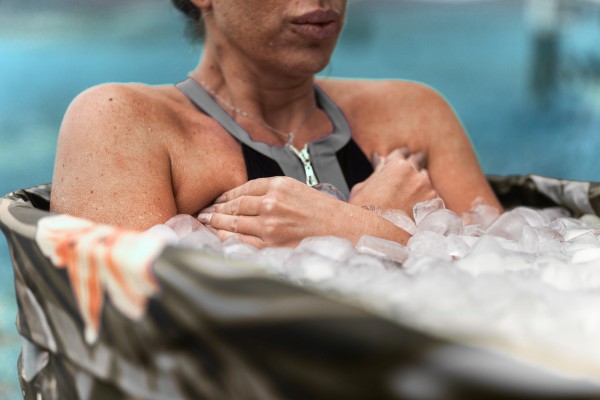
At the center of this recovery revolution is cold therapy immersion. Once a niche practice used by a handful of elite outliers, dedicated cold therapy tubs have become a standard requirement for athletes seeking to manage inflammation, optimize physiological repair, and build mental toughness.
The Physiology of Rapid Recovery
When an athlete undergoes intense physical exertion, the body experiences microscopic muscle tears and a buildup of metabolic waste. This naturally triggers an inflammatory response, which—while necessary for healing—can cause significant soreness and downtime if left unmanaged.
Cold therapy works through several key physiological mechanisms:
- Vasoconstriction and Inflammation Control: Exposure to near-freezing temperatures causes blood vessels to constrict. This process limits localized swelling and helps manage the inflammatory response, reducing the discomfort associated with muscle soreness.
- Metabolic Flushing: By stimulating vascular responses, cold immersion helps the body more efficiently clear metabolic byproducts that accumulate during high-intensity training.
- Injury Prevention: Regular use helps manage chronic joint stress and inflammation, which is particularly vital for athletes in high-volume disciplines like cycling, sprinting, or football.
Beyond the Muscle: Neurological and Mental Benefits
The impact of cold immersion extends far beyond physical tissue repair; it fundamentally alters the nervous system.
1. The Neurochemical Boost
Submerging in cold water triggers a controlled stress response, prompting the release of norepinephrine. This neurotransmitter is essential for increasing alertness, improving focus, and modulating pain perception. For an athlete, this means improved mental clarity during the critical window following a grueling session.
2. Building Psychological Resilience
There is a profound “mental game” involved in cold therapy. The discipline required to submerge oneself in freezing water—especially when physically exhausted—cultivates a specific type of mental fortitude. Athletes often report that this practice shifts their mindset from reacting to discomfort to actively controlling it, a skill that translates directly to high-pressure competitive environments.
Precision and Control: The Professional Standard
While casual users might rely on ice baths or cold showers, professional environments demand a higher level of consistency and precision. This is where dedicated cold therapy tubs become indispensable.
Unlike improvised methods, professional-grade tubs offer:
– Uniform Temperature Regulation: Ensuring every session hits the exact thermal target required by the athlete’s protocol.
– Full-Body Immersion: Providing consistent thermal exposure across all muscle groups.
– Data-Driven Reliability: Allowing teams to treat recovery as a predictable, measurable component of a larger performance system rather than an uncertain variable.
From Elite Arenas to Everyday Wellness
While the primary drivers of this technology are professional athletes looking for “marginal gains,” the underlying science is applicable to a much broader audience. The principles of vascular regulation and inflammation control offer benefits to anyone looking to improve energy levels, muscle function, and mental clarity.
However, for the elite, cold therapy is not a luxury or a trend; it is a strategic tool used to transform passive downtime into an active window for physiological and psychological growth.
Conclusion
Cold therapy tubs have moved recovery from a reactive necessity to a proactive strategic advantage. By integrating precise thermal control with physiological and mental conditioning, they allow athletes to sustain higher levels of performance and extend their competitive longevity.