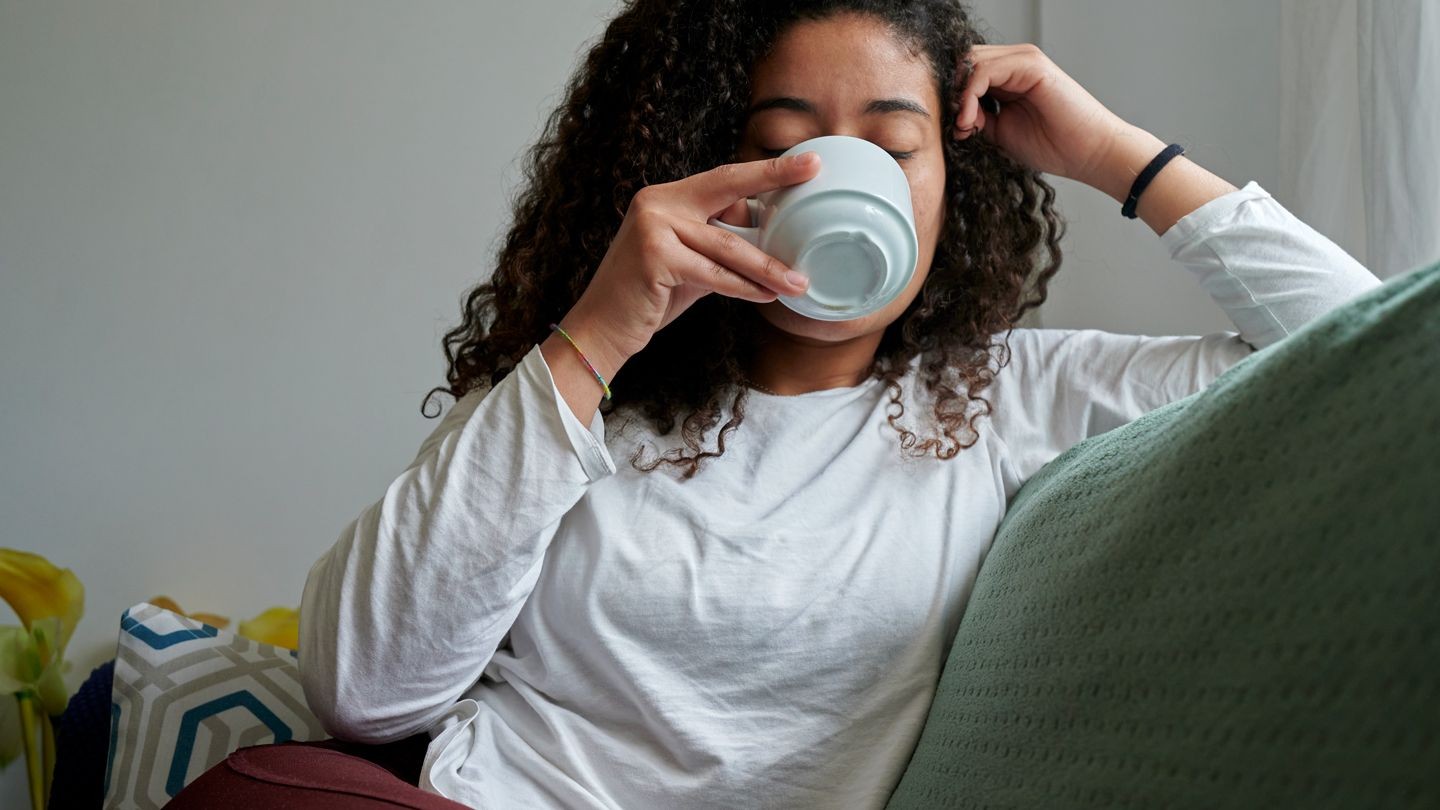
Whether it’s a soothing cup of chamomile or a late-night soda, what you drink before bed can dramatically affect your sleep quality. While many beverages claim to promote relaxation, the reality is far more nuanced. Here’s a breakdown of the best and worst choices for a restful night, backed by expert advice and scientific findings.
The Impact of Hydration and Timing
Before diving into specific drinks, it’s crucial to understand how when you drink matters as much as what you drink. Dr. Alon Avidan, a neurology professor and sleep specialist at UCLA Health, emphasizes that excessive fluid intake close to bedtime can lead to disruptive nighttime urination. This is especially true for older adults, those with bladder sensitivity, or individuals taking diuretics.
For these groups, limiting fluids three to four hours before bed is ideal. Prioritizing hydration during the day and with dinner can minimize nighttime interruptions.
The Best Choices for Sleep
If you need a bedtime beverage, certain options are better than others.
- Water: The most reliable choice. Staying hydrated supports overall health without introducing sleep-disrupting substances. Dehydration can cause cognitive fog and mood disturbances, which can indirectly impact sleep.
- Chamomile Tea: The classic sleep aid. Research suggests chamomile has mild sedative effects that may reduce anxiety and promote drowsiness. The ritual of drinking warm tea can also be psychologically calming. However, pregnant or breastfeeding individuals should consult their healthcare provider before consuming chamomile tea.
- Tart Cherry Juice: A surprising but effective option. Tart cherries are naturally rich in melatonin, the hormone that regulates sleep. Studies show tart cherry juice can reduce sleep latency (time to fall asleep) and improve sleep duration. Some prefer eating the fruit directly to avoid added sugars.
The Worst Offenders
Certain beverages actively sabotage sleep.
- Alcohol: Despite initial drowsiness, alcohol disrupts sleep architecture, particularly deep sleep stages. Experts recommend avoiding alcohol for at least four hours before bed, and limiting intake to one drink per night for better quality rest. Alcohol takes roughly an hour and 15 minutes to metabolize, so timing is key.
- Coffee: The most obvious culprit. Caffeine’s stimulant effects can keep you awake for hours. Even decaf coffee contains trace amounts of caffeine and should be avoided within eight hours of bedtime.
- Black or Green Tea: These teas also contain caffeine and act as mild diuretics, promoting urination. Avoid them within four to six hours of bedtime.
- Soda: A double whammy of caffeine and sugar can lead to sleep issues. Carbonation can cause bloating and discomfort, further disrupting rest. Limit soda intake to no closer than three to four hours before bed (or eight if caffeinated).
Questionable Sleep Aids: Proceed with Caution
Some drinks marketed for sleep lack solid scientific backing.
- Magnesium-Infused Beverages: While magnesium deficiency can contribute to sleep disorders, the amount in these drinks may be insufficient for noticeable effects. Getting magnesium from whole foods is a more reliable approach.
- Warm Milk: The tradition persists, but the science is weak. The placebo effect or tryptophan content may play a role, but there’s no strong evidence to suggest it markedly improves sleep. Additionally, warm milk can worsen gastric reflux in individuals with GERD.
- CBD-Infused Drinks: Research is lacking on the effectiveness and safety of CBD for sleep. Individual reactions vary, and long-term effects are unknown.
- Enhanced Waters: Products claiming to boost sleep with L-theanine or magnesium haven’t been rigorously tested. The combination of ingredients may be unproven.
The Bottom Line
For optimal sleep, stick to water, chamomile tea, or tart cherry juice before bed. Avoid alcohol, coffee, caffeinated teas, and sugary sodas. While some enhanced beverages claim sleep benefits, the evidence remains limited. Prioritize consistent sleep hygiene, including avoiding fluids close to bedtime, to maximize your chances of a restful night.