Navigating menopause involves significant hormonal shifts that can affect physical and emotional well-being. Diet plays a crucial role in managing symptoms like hot flashes, mood swings, and fatigue. While a balanced approach is best, reducing certain foods can provide noticeable relief. Nutritionist Amy Jamieson-Petonic, RD, emphasizes that dietary changes can significantly impact how women experience this life transition.
The Impact of Diet on Menopause Symptoms
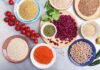
Research indicates that women who prioritize fruits, vegetables, and lean proteins in their diet are less likely to suffer severe menopausal symptoms compared to those consuming high-fat foods and sweets. This suggests that inflammation and hormonal imbalance are key factors diet can influence. The transition through menopause isn’t simply about aging; it’s a period where the body’s needs change, and dietary adjustments help optimize function.
5 Foods to Limit During Menopause
Here’s what to consider reducing or avoiding for better symptom management:
- Ultra-Processed Foods: These often contain high levels of sugar, unhealthy fats, and artificial additives, exacerbating inflammation and mood swings.
- Spicy Foods: While not harmful, capsaicin in spicy foods can trigger or worsen hot flashes in some women.
- Fast Food: High in saturated and trans fats, fast food contributes to weight gain and cardiovascular risks, which are heightened during menopause.
- Alcohol: Alcoholic beverages can disrupt sleep, worsen hot flashes, and potentially increase the risk of breast cancer.
- Fatty Meats: Excessive intake of saturated fats can elevate inflammation and impact heart health, an area of concern as estrogen levels decline during menopause.
Making Healthier Choices
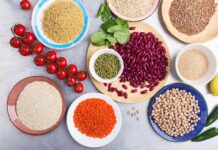
Rather than deprivation, focus on nutrient-dense alternatives. Swap white bread for whole grains like oats or brown rice, choose lean proteins over processed meats, and prioritize fruits and vegetables. Filling meals with fiber-rich foods promotes satiety and helps regulate blood sugar, reducing cravings for unhealthy options.
“Good nutrition can make a big change in how you feel about menopause symptoms… as well as bloating and possible weight gain,” says Amy Jamieson-Petonic, RD.
Seeking Personalized Guidance
For tailored advice, consult with your primary care doctor or a registered dietitian specializing in women’s health. Individual needs vary, and a professional can help create a plan that addresses specific symptoms and lifestyle factors.
The bottom line : Prioritizing a balanced diet during menopause isn’t just about symptom relief; it’s about safeguarding long-term health and well-being during a period of significant physiological change.