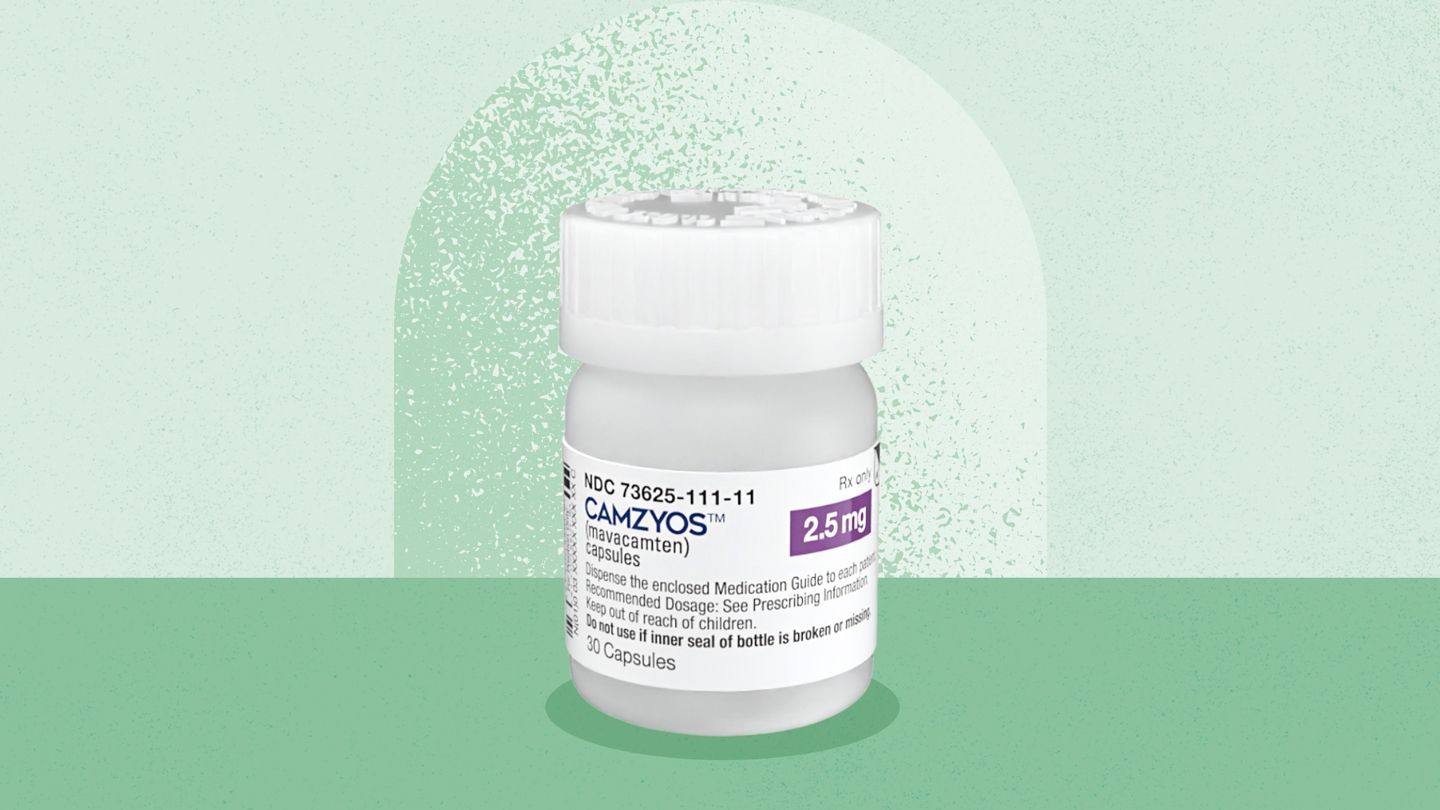
For individuals whose obstructive hypertrophic cardiomyopathy (HCM) isn’t adequately controlled by standard treatments, mavacamten (marketed as Camzyos) offers a novel approach. This medication works by helping the heart muscle relax, directly addressing the underlying mechanics of the disease and reducing debilitating symptoms like shortness of breath and chronic fatigue.
How Mavacamten Works at the Molecular Level
Mavacamten is a cardiac myosin inhibitor. Unlike conventional therapies that manage symptoms, this drug tackles the root cause in HCM: overly forceful heart contractions. Thickened heart muscle struggles to pump blood efficiently, and mavacamten intervenes by reducing the interaction between actin and myosin – the proteins responsible for contraction.
“The drug essentially dials down the intensity of the heart’s squeeze, allowing it to pump more effectively and relax more fully. This alleviates obstruction and improves symptoms,” explains Dr. Mohammed Makkiya, director of the HCM clinic at VCU Health Pauley Heart Center.
The medication is taken as a daily oral capsule, starting at 5mg and increasing gradually to 15mg over several weeks.
Who Benefits from Mavacamten?
The U.S. Food and Drug Administration (FDA) has approved mavacamten specifically for adults with obstructive HCM – where thickened heart muscle physically blocks blood flow. It has not been shown to be effective for non-obstructive forms of the condition.
Doctors may recommend this drug for patients who haven’t found relief from beta-blockers or calcium channel blockers. “These are often individuals experiencing significant shortness of breath, chest pain, or exercise intolerance, but who may not yet be candidates for more invasive procedures,” such as surgery, notes Dr. Makkiya.
Important Caution: Mavacamten is contraindicated for pregnant or planning-to-become-pregnant individuals due to the risk of severe birth defects. Patients with irregular heartbeats or severe infections should also discuss this medication with their doctors.
Improvements in Quality of Life
Clinical reports show significant improvements in symptoms. Patients report increased stamina, reduced shortness of breath, and less chest discomfort after taking mavacamten.
“Patients tell me they can now climb stairs without stopping, experience fewer palpitations, and generally live more comfortably,” says Dr. Sandeep Jani, medical director of advanced heart failure for MedStar Health.
Two-thirds of patients on mavacamten for 3.5 years report minimal or no symptoms. Improvements can be noticeable within a week of starting treatment.
The REMS Program and Heart Failure Risk
While effective, mavacamten carries a notable risk: it can increase the likelihood of heart failure. By reducing muscle contraction, the drug could weaken the heart if not carefully monitored.
To mitigate this, mavacamten is distributed through a strict Risk Evaluation and Mitigation Strategy (REMS) program. This means:
- Doctors must assess heart failure risk with echocardiograms before prescribing.
- Potential drug interactions (such as with diltiazem, disopyramide, or verapamil) are carefully reviewed.
- Regular echocardiograms are required to track heart function and adjust dosages.
The REMS program ensures the drug is used safely and effectively. Less than 1% of patients in the program have developed heart failure.
Common Side Effects
Beyond the risk of heart failure, patients may experience:
- Dizziness or fainting
- Breathing difficulties
- Chest pain or tightness
- Swelling in extremities
- Fatigue
The Bottom Line
Mavacamten offers a targeted treatment for obstructive HCM, improving symptoms and quality of life. However, it’s not a universal solution. The FDA has not approved it for non-obstructive HCM, and its use requires strict medical supervision due to the risk of heart failure. Careful monitoring through the REMS program ensures safe and effective use for eligible patients.