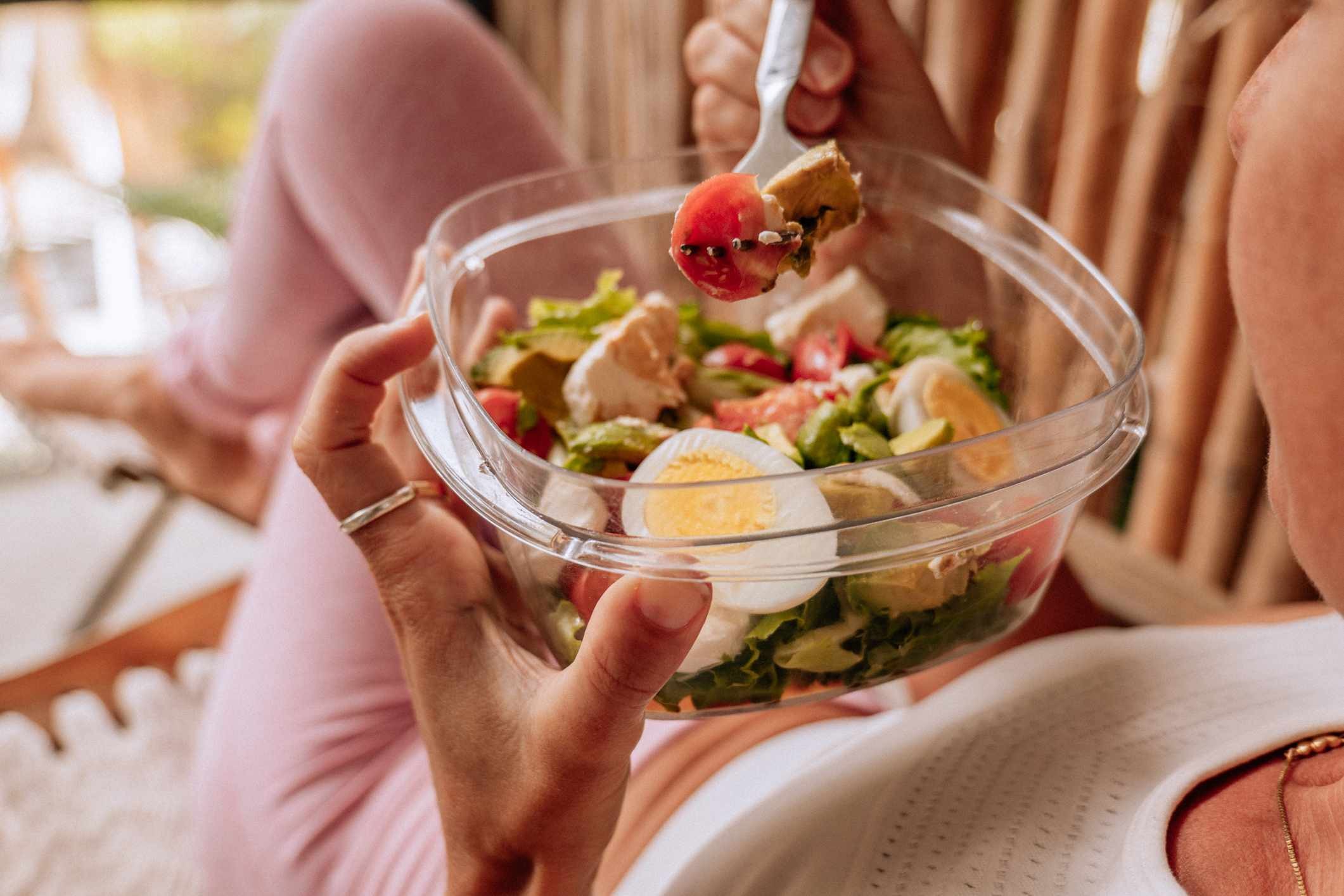
Consuming approximately 100 grams of protein daily is increasingly recognized for its benefits in blood sugar regulation, muscle and bone health, and immune system support. Achieving this target isn’t about rigid tracking; it’s about strategic food choices and understanding how to build protein into every meal. Here’s how to do it efficiently.
Breakfast: Protein-Rich Starts
A high-protein breakfast sets the tone for the day. Several options make it easy to hit significant protein intake right from the start.
- Collagen Powder: Adding one scoop to your coffee or tea provides an immediate 15 grams of protein.
- Eggs: Two eggs deliver 12.56 grams. Combining them with other ingredients boosts the total. Consider these options:
- Savory quinoa with fried eggs (over 25 grams total)
- Cottage cheese and egg frittata (23.5 grams per cup of cottage cheese alone)
- Smoothies: A smoothie with pea protein powder (25 grams per 33-gram scoop), peanut butter, frozen blueberries, banana, and cashew milk can easily exceed 30 grams.
- Greek Yogurt: One cup of Greek yogurt offers 25 grams of protein, making it an excellent base for toppings like berries, almonds, chia seeds, and coconut flakes.
Lunch: Quick and Efficient Protein Sources
Lunch provides a convenient opportunity to build on your protein intake. Prioritize lean meats, fish, beans, and lentils.
- Shelf-Stable Options: Canned tuna and dried beans are practical choices for quick preparation. A single can of tuna contains around 40 grams of protein.
- High-Protein Plates: Combine options like Parmesan cheese bites, chicken salad with almond flour crackers, hummus, veggie sticks, pistachios, and hard-boiled eggs for a well-rounded meal.
- Leftovers: Repurposing dinner leftovers (chicken, beans, vegetables) into salads or grain bowls is an efficient way to maintain protein consistency. Three ounces of chicken provide nearly 26 grams of protein.
Dinner: Simple Protein-Focused Meals
Cooking at home allows for greater control over protein sources.
- Curry Options: Chickpea or lentil curry (15–16 grams of protein per cup) served with quinoa or rice provides a solid base. Adding a dollop of Greek yogurt increases protein further.
- Fish: Fluke and striped bass (20–28 grams of protein per fillet) pair well with roasted vegetables or sweet potatoes.
High-Protein Snacks for Continuous Intake
Snacking strategically can help maintain consistent protein levels throughout the day.
- Apple slices with peanut butter and a CHOMPS turkey stick
- Pea protein shake with frozen berries and coconut water
- Hard-boiled egg, Parmesan cheese, and salted almonds
- Cottage cheese and berries
- Trail mix with pumpkin seeds, pistachios, dried cherries, and dark chocolate chips
Achieving 100 Grams Without Tracking Macros
Reaching 100 grams of protein daily doesn’t necessitate meticulous tracking. Focus on consistently incorporating protein-rich foods into each meal. The key is to prioritize these sources naturally without overcomplicating the process.
Prioritizing protein in every meal, rather than focusing on precise numbers, is a sustainable way to reap the benefits of adequate intake.
By implementing these strategies, hitting 100 grams of protein daily becomes less of a chore and more of a natural part of a balanced diet.