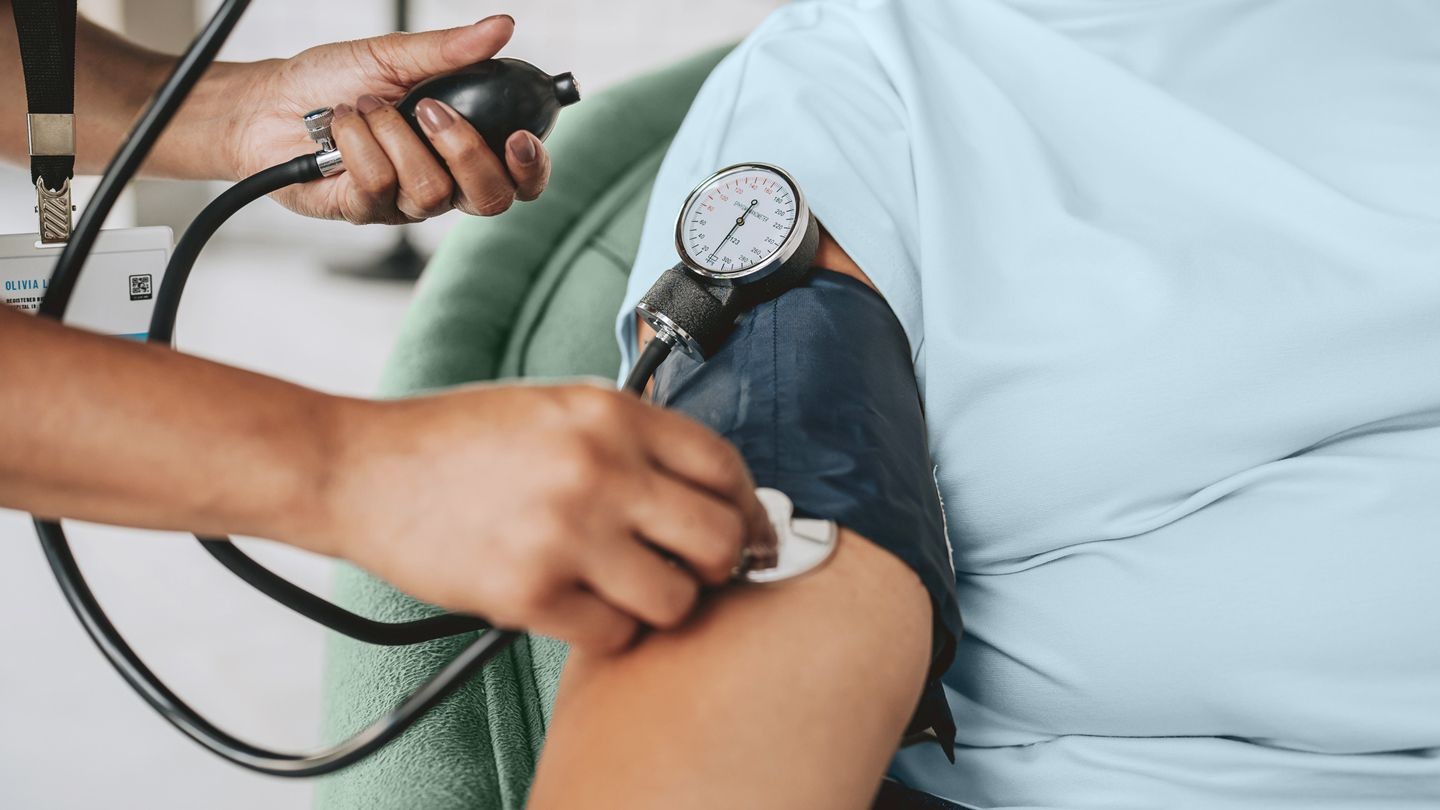
Obesity and high blood pressure (hypertension) frequently occur together, increasing the risk of heart disease, stroke, and kidney damage. While lifestyle changes and medication remain central to hypertension treatment, newer weight loss drugs – specifically GLP-1 medications – are proving effective in blood pressure management. Originally designed for type 2 diabetes, these drugs are now widely prescribed for weight loss, which in turn improves various health issues, including hypertension.
How Obesity Drives High Blood Pressure
Excess weight contributes to high blood pressure through multiple interconnected mechanisms. As Dr. Jehan Bahrainwala, a hypertension specialist at Stanford, explains, obesity isn’t just a risk factor, it actively worsens chronic conditions like heart disease, kidney disease, and sleep apnea, all of which disrupt blood pressure control.
Carrying excess fat triggers inflammation, activates stress hormones that constrict blood vessels, and causes the kidneys to retain salt and water. Over time, these changes increase blood volume and stiffen vessels, elevating blood pressure. Abdominal fat is particularly dangerous, as it links more closely to insulin resistance and hormonal imbalances that affect blood vessels and kidney function. Studies estimate that 67% of high blood pressure cases in women and 80% in men are linked to excess weight.
GLP-1s and Blood Pressure: The Evidence
GLP-1 drugs aren’t specifically approved for hypertension, but clinical trials consistently show they lower blood pressure modestly. The effect varies by medication, dose, and whether it’s used for diabetes or weight loss, but the trend is clear.
Here’s how much the most common GLP-1 drugs lower blood pressure:
- Semaglutide (Wegovy): A 2.4 mg dose lowers systolic blood pressure by an average of 4.8 mmHg and diastolic by 2.45 mmHg.
- Tirzepatide (Zepbound): At 15 mg, it lowers systolic by 6.8 mmHg and diastolic by 4.2 mmHg.
- Liraglutide (Saxenda): A 3 mg dose lowers blood pressure by 3.2 mmHg, with little effect on diastolic.
Ozempic (semaglutide) and Mounjaro (tirzepatide) are versions of these drugs often prescribed for diabetes, with similar benefits.
Weight Loss as the Primary Mechanism
For most people, the blood pressure benefits of GLP-1s stem from weight loss itself. Dr. Bahrainwala notes, “Larger weight losses lead to larger blood pressure drops, especially at higher doses.” Losing weight also improves insulin sensitivity, reducing blood sugar damage to blood vessels.
Additionally, weight loss reduces inflammation and can alleviate conditions like sleep apnea and chronic pain, further improving blood pressure. Some patients on GLP-1 therapy have had their blood pressure medications reduced or eliminated entirely.
Beyond Weight Loss: Direct Effects on Blood Pressure
Emerging evidence suggests GLP-1s may lower blood pressure through mechanisms beyond weight loss. Dr. Luke Laffin from Cleveland Clinic observes, “The blood pressure reduction happens earlier than expected if it were solely due to weight loss.”
Possible explanations include:
- Reduced Inflammation: GLP-1 receptors exist in the heart and blood vessels, reducing inflammation when activated.
- Blood Vessel Relaxation: GLP-1s help regulate glucose, minimizing blood vessel damage from high blood sugar.
- Nervous System Regulation: GLP-1s may reduce overactivity in the sympathetic nervous system, lowering heart rate and blood pressure.
- Increased Sodium Excretion: GLP-1s help the kidneys release more sodium, reducing fluid buildup and easing pressure on blood vessels.
While these direct effects are likely secondary to weight loss, they contribute to overall blood pressure improvement.
Implications for Obesity and Hypertension
GLP-1 medications aren’t blood pressure drugs, but they can be powerful tools for people whose hypertension is tied to excess weight. Talk to your doctor about the best option for you, keeping in mind that individual results vary. Never adjust your blood pressure medication without consulting your healthcare provider.
The key takeaway: Obesity and high blood pressure are closely linked. GLP-1 weight loss drugs show promise for managing hypertension driven by excess weight, but they should be used as part of a comprehensive treatment plan.