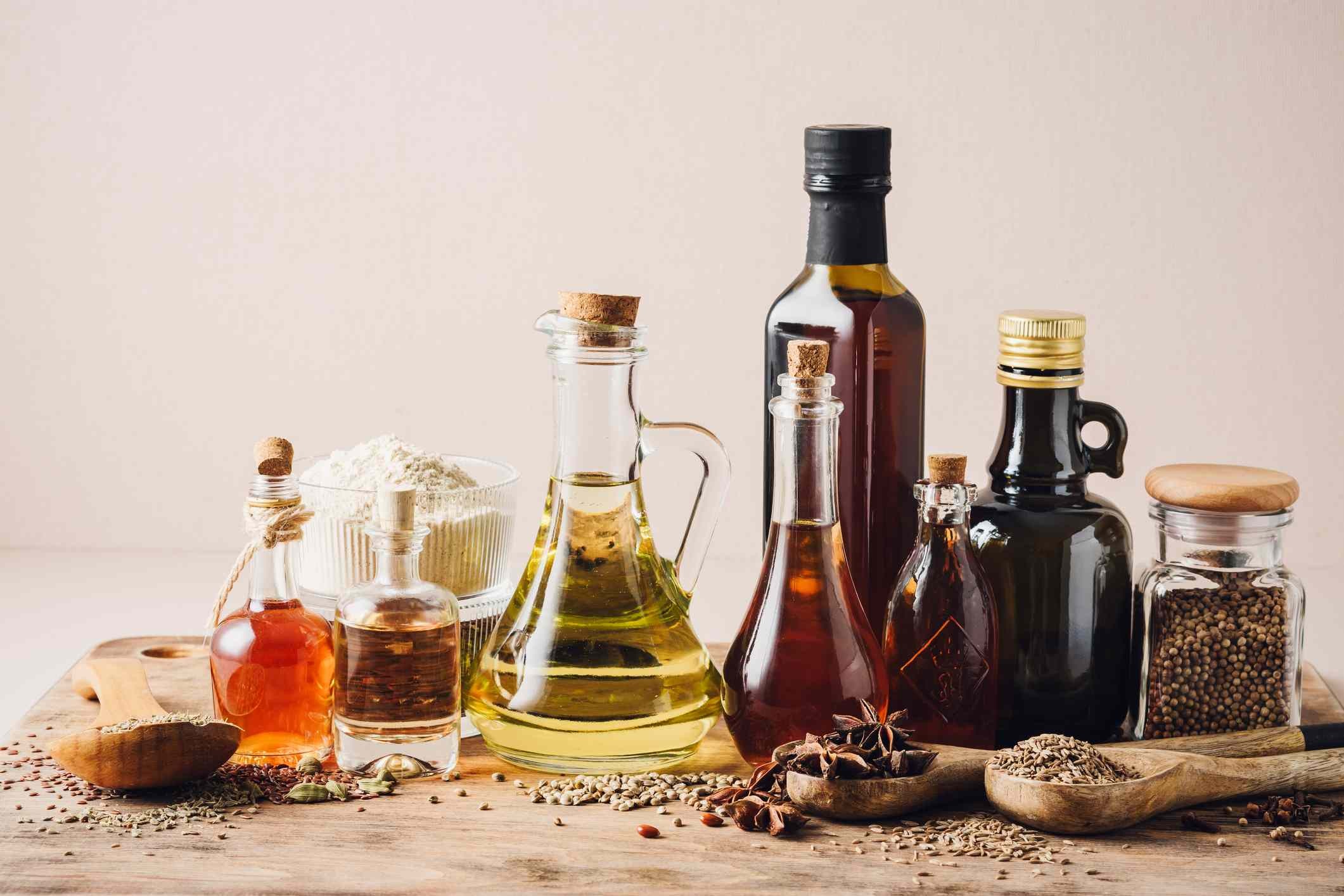
Choosing the right cooking oil is a simple yet powerful step toward supporting healthy cholesterol levels and heart health. While many oils are marketed as “healthy,” understanding which fats matter and how to use them effectively is crucial. This guide breaks down the best options, explains why they work, and highlights common mistakes to avoid.
Why Cooking Oils Matter for Cholesterol
The fats in cooking oils directly impact your blood cholesterol. Monounsaturated and polyunsaturated fats help lower “bad” (LDL) cholesterol, while saturated and trans fats raise it. Omega-3 fats, found in some oils, further support heart health by reducing inflammation. The goal isn’t just to avoid “bad” fats but to actively choose oils that improve your lipid profile.
The Top 5 Heart-Healthy Cooking Oils
Here are five oils supported by experts and research, along with how best to use them:
- Extra-Virgin Olive Oil (EVOO): A cornerstone of the Mediterranean diet, EVOO is rich in monounsaturated fats and antioxidants. It can be used for stovetop cooking at typical temperatures (350–410°F).
-
Best Uses: Salad dressings, drizzling on vegetables, sautéing, grilling.
-
Avocado Oil: With a neutral flavor and high smoke point (up to 520°F), avocado oil is incredibly versatile. It’s another excellent source of heart-healthy monounsaturated fats.
-
Best Uses: Roasting vegetables, sautéing meats, high-heat grilling.
-
Canola Oil: Often overlooked, canola oil is low in saturated fat and contains plant-based omega-3s. It’s a reliable everyday choice due to its neutral flavor and moderate smoke point.
-
Best Uses: Sautéing, baking, general cooking.
-
Soybean Oil: An affordable and widely available option, soybean oil provides polyunsaturated fats and alpha-linolenic acid (ALA), a plant-based omega-3. Regular consumption (around 1.5 tablespoons daily) may reduce coronary heart disease risk.
-
Best Uses: Stir-frying, baking, all-purpose cooking.
-
Walnut Oil: A potent source of ALA omega-3s, walnut oil supports heart health and may have anti-inflammatory properties. However, it oxidizes easily when heated and is best used cold.
- Best Uses: Salad dressings, drizzling over cooked vegetables, dips.
Oils to Limit for Cholesterol Control
Some oils significantly raise LDL cholesterol due to high saturated fat content. These include:
- Coconut oil: Despite some online hype, it has the highest saturated fat content among common oils.
- Palm oil: Also high in saturated fats.
- Butter and beef tallow: Traditional fats that contribute to LDL increases.
- Partially hydrogenated oils: The worst option, as they contain trans fats, which raise LDL and lower protective HDL cholesterol.
Common Mistakes That Damage Your Cholesterol Levels
Many people unknowingly sabotage their health with poor oil choices:
- Assuming all plant oils are equal: Coconut oil is an exception, packing more saturated fat than many animal products.
- Using the wrong oil for the cooking method: Unrefined oils (like EVOO) degrade at high heat, while refined oils (like avocado) hold up better.
- Improper storage: Light and heat degrade oil quality, reducing its benefits. Keep oils in dark, cool places.
“Using one oil for every cooking method or overheating it beyond its smoke point can destroy nutrients and create harmful compounds,” cardiologist Brett Sealove notes.
By making informed choices about cooking oils, you can proactively improve your cholesterol profile and reduce your risk of heart disease. The key is to prioritize unsaturated fats, avoid excess saturated and trans fats, and use each oil according to its strengths.