


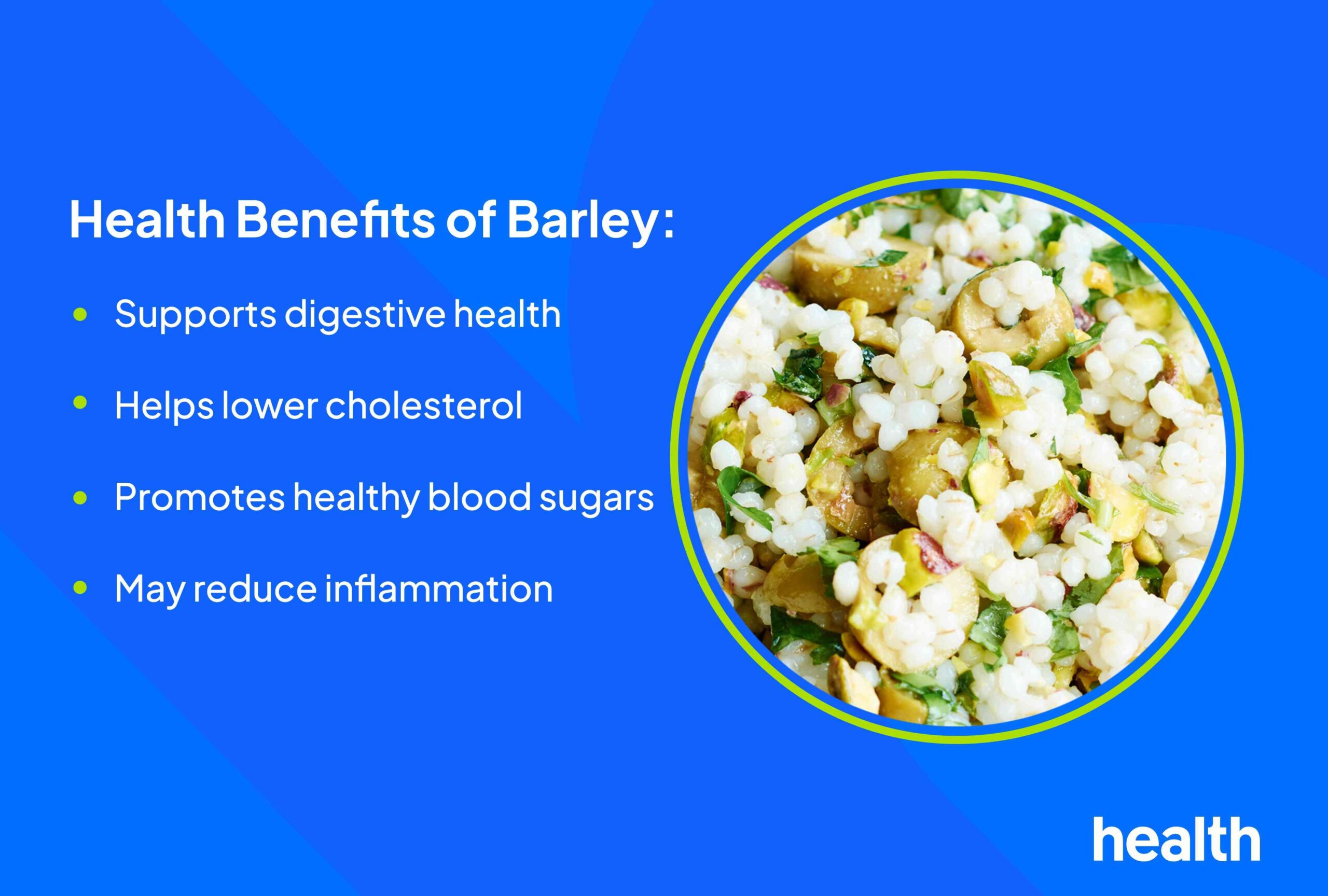
Barley is an ancient whole grain gaining renewed attention for its impressive health benefits. Rich in fiber, minerals, and unique compounds, barley supports digestive, metabolic, and cardiovascular health. However, it’s important to note that barley contains gluten, making it unsuitable for individuals with celiac disease or gluten sensitivity.
Digestive Support: A Fiber-Rich Solution
Barley stands out for its abundance of beta-glucans and inulin —soluble fibers that act as prebiotics, nourishing beneficial gut bacteria. This fiber isn’t just about regularity; it has anti-inflammatory effects and may even help prevent colon cancer.
Research demonstrates that soluble fiber promotes a healthier gut microbiome by producing beneficial metabolites. This can significantly reduce the risk of common digestive issues like constipation, diarrhea, irritable bowel syndrome (IBS), inflammatory bowel disease (IBD), and colorectal cancer.
Cholesterol Management: A Heart-Healthy Grain
High cholesterol affects roughly 11% of U.S. adults over 20, increasing the risk of heart disease and stroke. Barley’s soluble fiber—especially beta-glucans—offers a natural way to lower cholesterol levels.
Studies show that consistent soluble fiber intake can reduce LDL (bad) cholesterol and total cholesterol by 5–10% without impacting HDL (good) cholesterol. Barley beta-glucans work by increasing cholesterol excretion through the digestive system. For example, supplementing with 6.5 grams of barley beta-glucans daily for at least four weeks lowered LDL and non-HDL cholesterol levels by 7% in one study.
Blood Sugar Control: A Benefit for Metabolic Health
Barley’s fiber and beta-glucan content slow digestion, making it valuable for managing blood sugar levels, especially for people with diabetes. Research confirms that barley-based cereals improve glucose and insulin responses compared to refined grain alternatives.
Mixing high beta-glucan barley with white rice has been shown to significantly reduce post-meal blood sugar spikes, even in individuals without diabetes. Consuming whole grains like barley is also linked to a reduced risk of developing type 2 diabetes.
Anti-Inflammatory Potential: Beyond Metabolism
The beta-glucan and antioxidant content in barley may help reduce inflammation, particularly in those with metabolic health issues. One study found that bread containing 40% sorghum and barley flour increased plasma antioxidant levels compared to wheat-based bread. Higher antioxidant levels translate to reduced inflammation and improved overall health.
Nutritional Profile: What Barley Offers
One cup of cooked pearled barley provides:
- Calories: 193
- Carbohydrates: 44g
- Fat: 0.7g
- Fiber: 6g (21% DV)
- Protein: 3.5g
- Selenium: 13.5mcg (25% DV)
- Niacin: 3.2mg (20% DV)
- Zinc: 1.3mg (12% DV)
Barley also provides significant amounts of phosphorus, potassium, calcium, and magnesium, all vital for supporting heart health, digestion, and metabolic function. B vitamins like thiamin and niacin support energy metabolism, while iron helps prevent anemia.
Potential Risks and Considerations
While generally safe, barley is not suitable for those with celiac disease or gluten intolerance due to its gluten content. Additionally, barley contains fructans, which can cause digestive discomfort (gas, bloating) in some individuals, particularly those with IBS.
If you’re new to high-fiber foods, increase your barley intake gradually and drink plenty of water to avoid gastrointestinal issues.
Ways to Incorporate Barley into Your Diet
Barley comes in several forms: hulled (whole grain), grits, flakes, flour, and pearl (refined but still nutritious). It works well in soups, stews, and as a side dish.
Experiment with different forms to find what suits your taste and cooking style. Barley flour can be used in combination with wheat flour for baking, while pearl barley cooks faster and is ideal for quick meals.
In conclusion, barley is a versatile and nutritious grain offering a range of health benefits. From supporting digestive health to lowering cholesterol and managing blood sugar, barley deserves consideration as part of a balanced diet… provided you don’t have gluten sensitivities.


