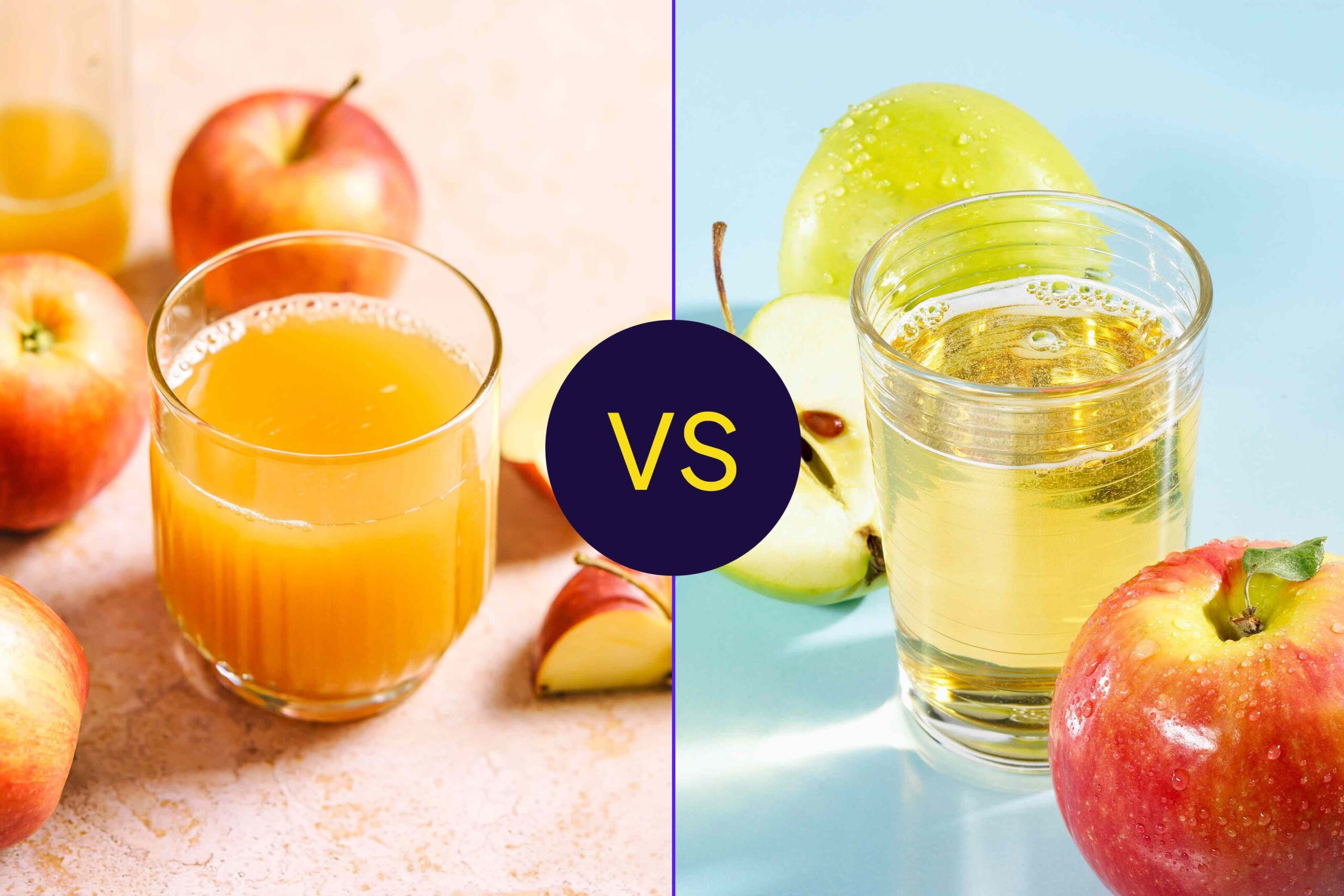
Both apple cider and apple juice offer a similar caloric and sugar profile, with minor differences: apple cider has slightly more calories (113.3 vs. 110) but less sugar (24g vs. 28.1g per serving). However, these numbers are not the whole story. The real issue is the variability in sugar content, especially in apple juice, where many brands add extra sugar to enhance flavor. Some blends, like Ocean Spray Cran-Apple, can contain over 5 teaspoons of added sugar per serving – a significant amount. Apple cider, generally made from 100% apple juice, usually avoids this pitfall.
How These Drinks Affect Your Body
The core problem with both drinks isn’t necessarily the natural sugars, but the lack of fiber and protein. These nutrients slow digestion, preventing rapid blood sugar spikes. Without them, apple cider and juice cause a quick surge of glucose into your bloodstream, followed by a potential crash. This makes them poor meal replacements, as they don’t promote fullness or sustained energy.
Beyond Sugar: Vitamins & Plant Compounds
While neither drink is a nutritional powerhouse, some apple juice brands are fortified with vitamin C, providing a significant daily dose. Both also contain polyphenols—compounds linked to protection against heart disease and certain cancers. However, processing drastically reduces these beneficial compounds. Clear juice loses the most polyphenols, while unfiltered, cold-pressed cider retains the highest levels.
Making the Healthiest Choice
Both apple cider and juice can fit into a balanced diet if consumed in moderation. The key is to pair them with meals rich in fiber and protein to mitigate blood sugar spikes. Opt for unsweetened versions whenever possible and stick to smaller portions (4-8oz). Diluting the drink with water is another effective way to reduce sugar intake without sacrificing flavor.
Ultimately, whole apples are superior. Eating the fruit provides the same sweetness plus the fiber and nutrients stripped away during juicing.
While these beverages can be enjoyed occasionally, they shouldn’t replace whole fruit or other nutrient-dense foods. Prioritizing fiber, protein, and mindful portion sizes is crucial for maintaining stable blood sugar and overall health.