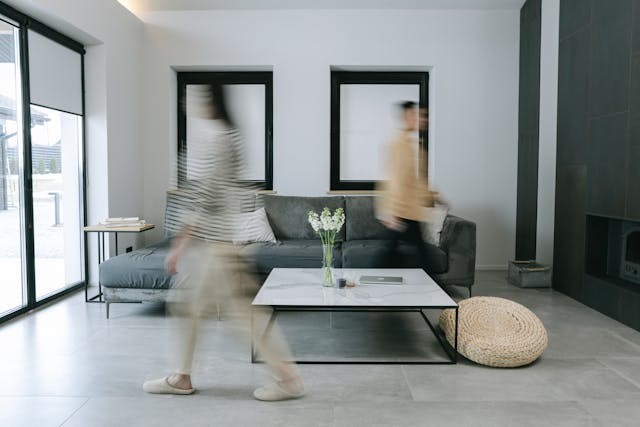
In the world of interior design, “luxury” is often treated as a synonym for “expensive.” We have been conditioned to believe that high-end aesthetics require massive investment pieces and curated shopping lists straight from a designer showroom. However, true luxury in a home is rarely about the price tag; it is about intentionality, cohesion, and the thoughtful curation of space.
Achieving a sophisticated look is less about a spending spree and more about understanding the design principles that create depth and character. By focusing on how elements interact rather than how much they cost, you can elevate any room from ordinary to extraordinary.
The Power of Editing: Less is More
The most common mistake in home styling is the urge to fill empty spaces. When we see a room that feels “off,” our instinct is often to add more—more cushions, more trinkets, more decor.
In high-end design, the opposite is true. Luxury spaces are ruthlessly edited.
“A room with ten things that truly belong there will always feel better than a room with thirty things that do not.”
To begin, perform a visual audit of your space. Remove items that are present out of habit rather than purpose. By clearing surfaces and creating “breathing room” around your belongings, you allow each remaining piece to be noticed. A deliberate, sparse arrangement feels much more expensive than a cluttered one.
Depth Through Texture and Tone
A room that feels “flat” is often one that lacks sensory variety. High-end interiors succeed by creating a conversation between materials. This is known as visual depth.
To replicate this without a massive budget, focus on layering different textures:
– Contrast surfaces: Place smooth stone next to rough wood, or soft velvet beside crisp linen.
– Mix finishes: Combine matte paint with glossy frames or metallic accents like brass.
– Use color strategically: While bold colors like deep navy or burgundy can signal grandeur, a monochromatic neutral room can feel just as luxurious if it features multiple distinct textures (e.g., a chunky knit throw, a ceramic vase, and a silk pillow).
Making a Statement with Scale
Wall art is frequently treated as an afterthought, but in professional design, it serves as an anchor. The scale of your decor dictates the perceived quality of the room.
A common pitfall is choosing art that is too small for the wall it inhabits. Small pieces tend to get “lost,” making the room feel fragmented. Sizing up is one of the most effective ways to signal intention. A single, large-scale canvas can anchor a room and provide a focal point that makes the entire space feel more cohesive and “finished.”
The Importance of Layered Lighting
Lighting is perhaps the most underrated tool in the designer’s kit. Relying solely on overhead lighting is a mistake; it creates harsh shadows and flattens the architectural details of a room.
To create an atmospheric, high-end mood, you must layer your light sources:
1. Ambient light: General overhead lighting.
2. Task light: Lamps for reading or working.
3. Accent light: Floor lamps or candles that cast light upward or across walls.
Pro tip: Switch to warm-toned bulbs. Cool, blue-toned light can make a room feel clinical, whereas warm light instantly adds a sense of comfort and sophistication.
The Finishing Touches: Small Details, Big Impact
Luxury is often found in the details that guests might not be able to name, but will certainly feel. These are the “micro-decisions” that suggest a home is well-cared-for:
- Cohesive Hardware: Using matching handles or knobs throughout a room creates a sense of unity.
- Elevated Containers: Decanting everyday items (like soaps or pantry goods) into glass or ceramic vessels removes visual clutter.
- Smart Window Dressing: To make ceilings feel higher, hang curtains closer to the ceiling rather than right above the window frame, and allow the fabric to “pool” slightly on the floor.
Conclusion
Creating a luxurious home is a process of patience and observation rather than a matter of wealth. By prioritizing editing, texture, scale, and lighting, you can transform your living space into a cohesive sanctuary that feels both expensive and deeply personal.