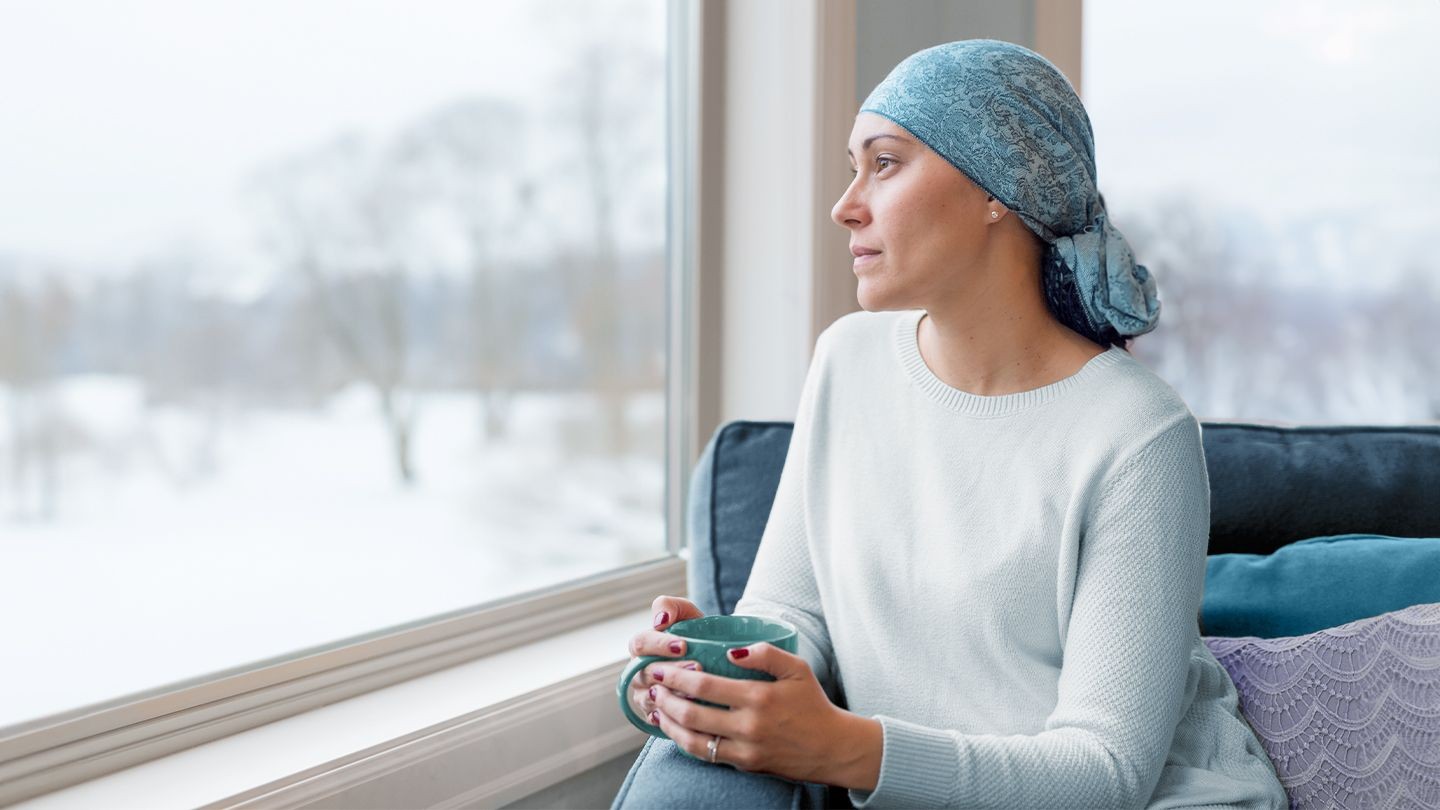
Winter brings seasonal challenges for everyone, but people undergoing cancer treatment face heightened risks from cold weather. From increased vulnerability to hypothermia and infections, to a greater chance of falls, the colder months require extra caution. This guide breaks down the key dangers and how to mitigate them.
Hypothermia: Why Cancer Patients Are More At Risk
Hypothermia – when your body temperature drops dangerously low – is a serious threat, especially for those with cancer. Fatigue, anemia (low red blood cell count), and dehydration, common side effects of treatment, make it harder to regulate body temperature. Even temperatures as high as 40°F can be dangerous. Symptoms include confusion, memory loss, and slowed movements, increasing the risk of accidents.
To minimize the risk:
- Stay indoors during extreme cold.
- Dress in layers: warm clothes, gloves, hats, and insulated boots.
- Stay dry: wet clothing accelerates heat loss.
- Drink warm fluids to maintain core temperature.
- Seek immediate medical attention if shivering, confusion, or slowed movements occur.
Neuropathy and Cold Exposure: A Dangerous Combination
Cancer treatments like chemotherapy and radiation can cause peripheral neuropathy – nerve damage that reduces sensation in the hands and feet. This is particularly dangerous in winter because you might not feel the cold, increasing the risk of hypothermia and frostbite.
Protect yourself:
- Wear supportive, well-cushioned shoes with good tread.
- Use assistive devices (canes, handrails) when needed.
- Set your water heater to 120°F to avoid scalding.
- Consult a physical therapist to improve balance and safety.
Dehydration in Winter: A Hidden Risk
Dehydration isn’t just a summer problem. Indoor heating dries out the air, and cancer treatments (vomiting, diarrhea, sweating) accelerate fluid loss. Symptoms include weakness, fatigue, dark urine, and headaches. Severe dehydration can lead to shock, kidney failure, or death.
Stay hydrated:
- Drink small amounts of fluids throughout the day.
- Eat water-rich foods (fruits, vegetables, soups).
- Avoid alcohol and caffeine.
- Monitor for dehydration symptoms and seek medical attention if persistent.
Viral Illnesses: A Greater Threat When Immunocompromised
Cancer treatment weakens the immune system, making you more susceptible to viral infections like the flu, COVID-19, and the common cold. The cold air itself can also make it harder for your body to fight off viruses.
Protect yourself:
- Wash hands frequently with soap and water.
- Get recommended vaccinations.
- Avoid sick people and crowded spaces.
- Consider wearing a mask in public.
- Keep wounds clean and dry.
Falls on Ice: A Serious Concern
Slipping on ice is dangerous for anyone, but even more so for cancer patients. Cancer treatments can weaken bones (increasing fracture risk) and impair balance. Falls can lead to broken bones, strains, or serious bleeding (especially with blood-related cancers).
Prevent falls:
- Wear supportive footwear with good traction.
- Avoid icy surfaces if possible.
- Take small, deliberate steps.
- Use assistive devices (canes, walkers) and handrails.
The Bottom Line
Cold weather poses unique challenges for people with cancer. Understanding these risks – and taking proactive steps to mitigate them – is critical for staying safe and healthy throughout the winter months. Vigilance in hydration, infection prevention, and fall prevention will significantly improve your well-being during the cold season.