
Chlorella is a single-celled, green algae gaining popularity as a health supplement. It boasts a dense nutritional profile and has been linked to improvements in several key health areas, from heart health to athletic performance. However, like any supplement, it’s essential to understand both its potential benefits and its possible side effects.
Heart Health and Cholesterol Management
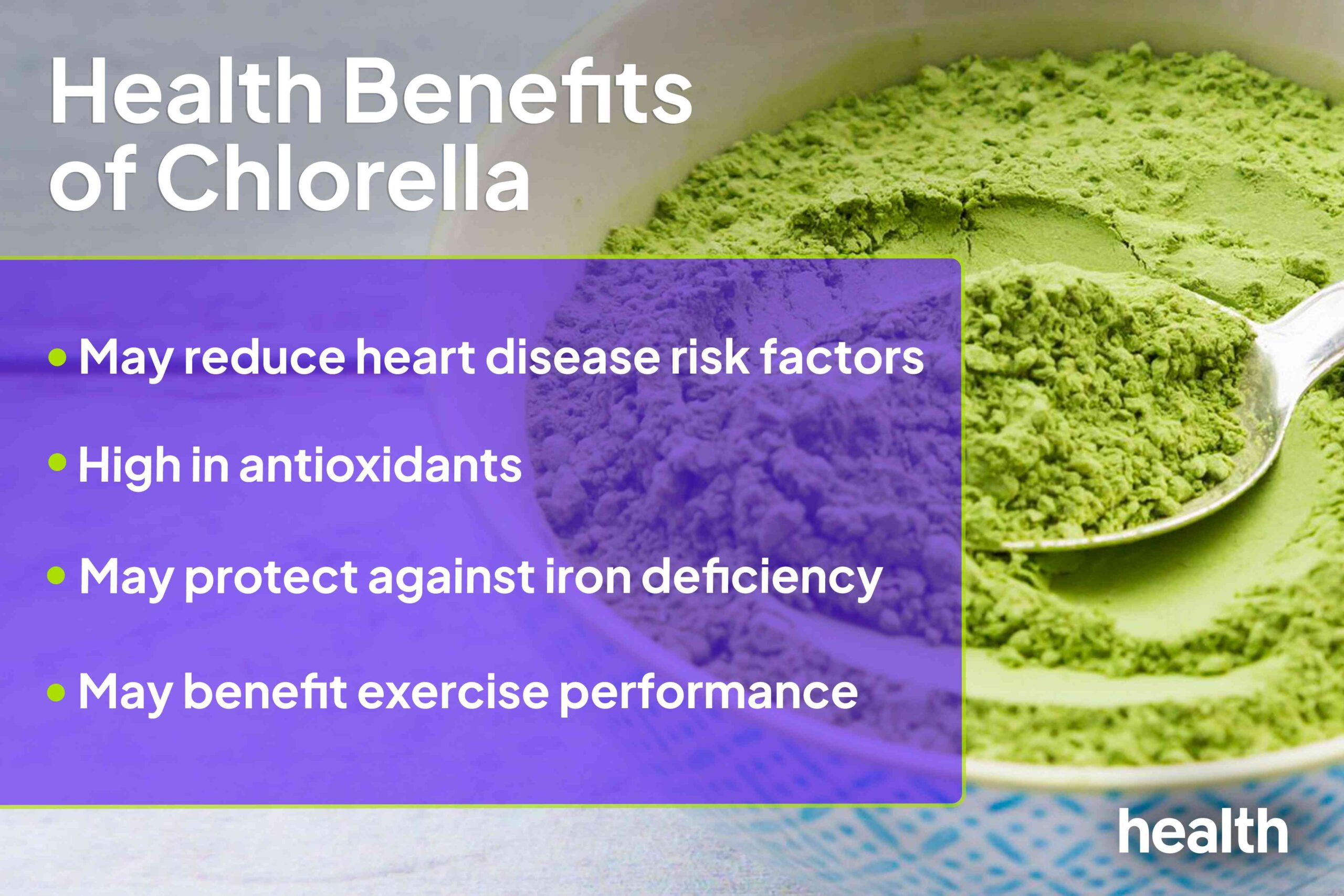
Chlorella may significantly reduce risk factors for heart disease. Studies suggest it lowers LDL cholesterol, blood pressure, and fasting blood glucose. This effect is partially attributed to the amino acid arginine, which promotes nitric oxide production, widening blood vessels for improved circulation. Additionally, chlorella appears to reduce cholesterol absorption in the gut while enhancing its removal from the body.
Why it matters: Heart disease remains the leading cause of death globally. Natural supplements like chlorella offer a potentially accessible way to manage risk factors alongside conventional treatments.
Antioxidant Power and Disease Prevention
Chlorella is rich in antioxidants, particularly carotenoids like lutein, β-carotene, and zeaxanthin. These compounds protect cells from damage caused by free radicals, potentially reducing the risk of chronic diseases. Research suggests carotenoids in chlorella may lower the risk of breast cancer and age-related macular degeneration (ARMD), a leading cause of vision loss in older adults.
Why it matters: Antioxidants are crucial for slowing down cellular aging and protecting against oxidative stress, a major driver of chronic diseases.
Iron Deficiency and Overall Nutrition
Chlorella is an excellent plant-based source of iron, making it particularly valuable for vegans and vegetarians who may struggle to meet their daily iron requirements. A 2-teaspoon serving provides 67% of the recommended daily intake. Beyond iron, chlorella delivers folate, vitamin A, omega-3 fats, and vitamin C, all vital for overall health.
Why it matters: Iron deficiency is widespread, leading to fatigue, impaired cognitive function, and weakened immunity. Chlorella provides a convenient way to boost iron levels naturally.
Exercise Performance Enhancement
Preliminary research suggests that chlorella may improve exercise performance by enhancing oxygen intake and muscle endurance. This is again linked to increased nitric oxide production, boosting blood flow and oxygen delivery to muscles during exertion. However, larger studies are needed to confirm these benefits.
Why it matters: Athletes and fitness enthusiasts are always seeking natural ways to enhance performance without resorting to synthetic drugs. Chlorella could offer a promising, yet unconfirmed, edge.
Dosage, Safety, and Potential Interactions
Chlorella is available in powders, liquids, and tablets, often as part of greens powders alongside spirulina, kale, and spinach. Typical dosages range from 3-10 grams daily for 2-3 months, but optimal dosing varies based on individual health goals.
While generally safe, chlorella isn’t without risks. It may stimulate the immune system, making it unsuitable for individuals with autoimmune diseases like lupus. The iodine content could trigger allergic reactions in sensitive individuals.
Potential drug interactions include:
- Photosensitizing drugs: Chlorella may increase sun sensitivity.
- Blood sugar-lowering medications: It could amplify their effects, leading to hypoglycemia.
- Blood thinners: The high vitamin K content may reduce their effectiveness.
Choosing Quality Supplements
The U.S. Food and Drug Administration (FDA) provides minimal oversight of supplements. Look for third-party certifications from organizations like U.S. Pharmacopeia and NSF International to ensure purity and safety. Microalgae can accumulate heavy metals like mercury, so rigorous testing is essential.
Possible Side Effects
Common side effects include abdominal pain, constipation, diarrhea, fatigue, gas, and increased sun sensitivity. Although generally well-tolerated, exceeding 15 grams daily may increase the risk of adverse effects. Discolored stool is also common due to the algae’s green pigment.
Chlorella offers a promising array of health benefits but should be approached with informed caution. Consulting a healthcare provider before starting supplementation is vital, especially for those with pre-existing conditions or who are taking medications.