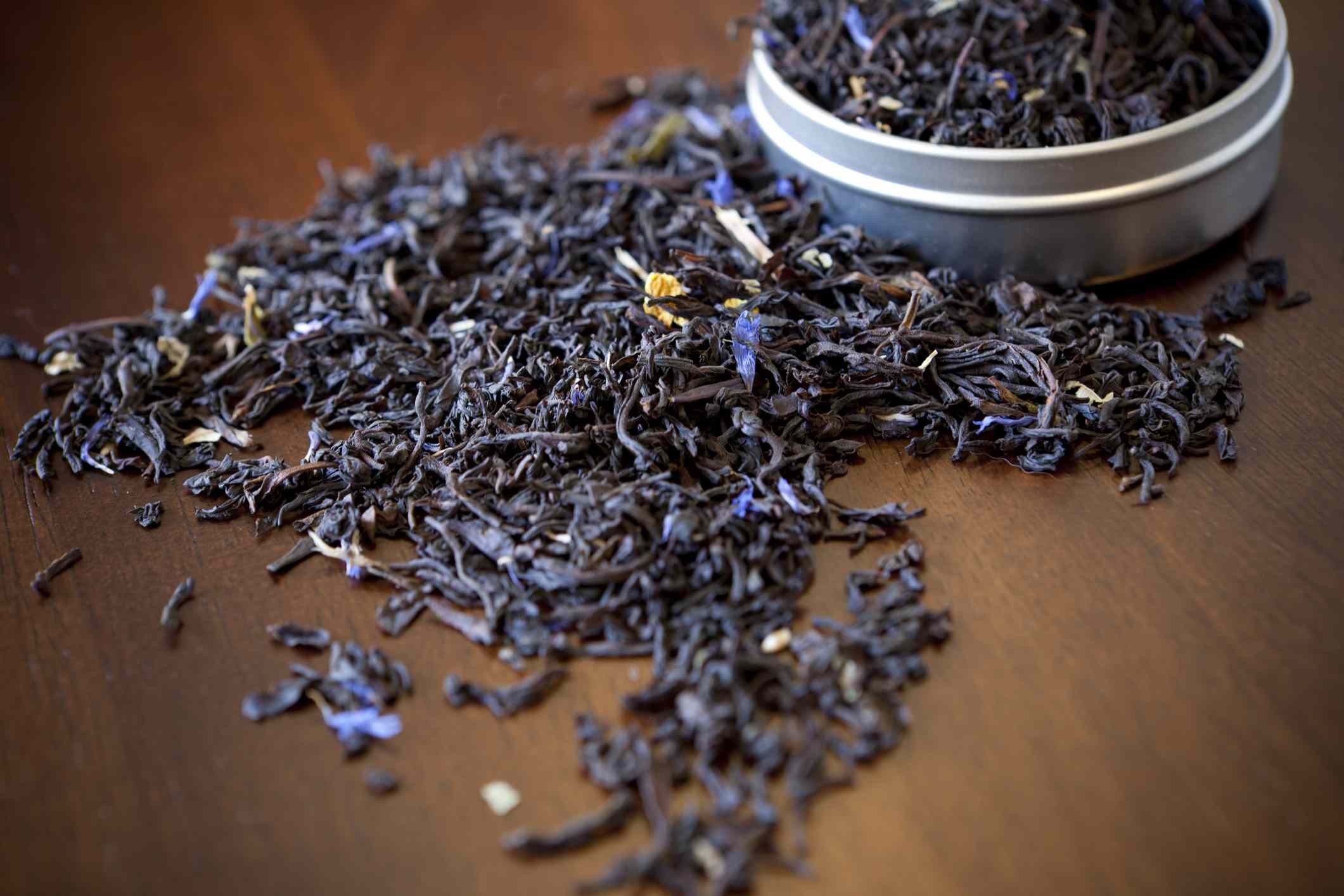
Earl Grey tea, a classic blend of black tea and bergamot oil, is more than just a flavorful beverage. Emerging research suggests it may offer a range of health benefits, from improved cognitive function to reduced risk of chronic diseases. This article breaks down the key advantages, potential risks, and how to enjoy this popular tea safely and effectively.
What Makes Earl Grey Special?
Earl Grey distinguishes itself through its unique flavoring agent: bergamot oil, extracted from the rind of the bergamot orange. This citrus fruit infuses the black tea with a distinctive aroma and taste, while also contributing to its potential health benefits. The base of black tea itself is rich in compounds linked to wellness.
The Science-Backed Benefits
1. Antioxidant Powerhouse
Black tea, including Earl Grey, is brimming with antioxidants. These compounds neutralize free radicals, unstable molecules that cause oxidative stress and chronic inflammation—major drivers of diseases like cancer and heart disease. Key antioxidants in black tea include epigallocatechin gallate, theaflavins, and thearubigins.
2. Chronic Disease Prevention
Studies suggest regular black tea consumption is correlated with a lower risk of several chronic conditions.
- Cancer: A 2023 meta-analysis of over two million participants found that daily black tea drinkers had a reduced risk of ovarian cancer, and may also lower the risk of oral cancer. The protective effects are attributed to antioxidants fighting oxidative damage.
- Heart Health: Earl Grey may help manage blood pressure and reduce the risk of heart failure and stroke. Consistent black tea consumption is linked to reductions in both systolic and diastolic blood pressure readings.
- Depression: Drinking more than one cup of black tea daily may be associated with a lower risk of depression. Caffeine and L-theanine work synergistically to increase neurotransmitters like dopamine, potentially improving mood.
3. Enhanced Physical Performance
One cup of Earl Grey provides roughly 47 milligrams of caffeine – slightly less than a typical coffee serving. This natural stimulant can boost energy levels, endurance, and strength during physical activity.
4. Cognitive Function & Brain Health
Earl Grey may protect against dementia and Alzheimer’s disease. Caffeine exhibits neuroprotective effects, shielding brain cells from damage. Furthermore, black tea consumption is linked to improvements in short-term cognitive function, including processing speed and memory.
Potential Downsides & Precautions
While generally safe, Earl Grey does contain caffeine. Excessive intake (over 400 milligrams per day) can cause jitteriness, insomnia, and increased heart rate. Overconsumption of bergamot oil, though rare, may lead to muscle cramps, blurred vision, and tingling in extremities.
Additionally, black tea can inhibit iron absorption from plant-based sources, so those with iron deficiencies should consume it in moderation.
How to Enjoy Earl Grey Tea
Earl Grey’s flavor profile is subtly sweet with citrus notes. It can be enjoyed plain, or enhanced with milk and sweeteners like honey. To brew, use one teaspoon of loose leaf or one tea bag per cup of hot water, steeping for several minutes.
The Bottom Line
Earl Grey tea is a flavorful and potentially beneficial addition to a healthy lifestyle. Its rich antioxidant content, coupled with the mild stimulation of caffeine and the unique flavor of bergamot, makes it a compelling choice for those seeking improved energy, cognitive function, and long-term health. However, moderation is key, especially for individuals sensitive to caffeine or iron absorption.