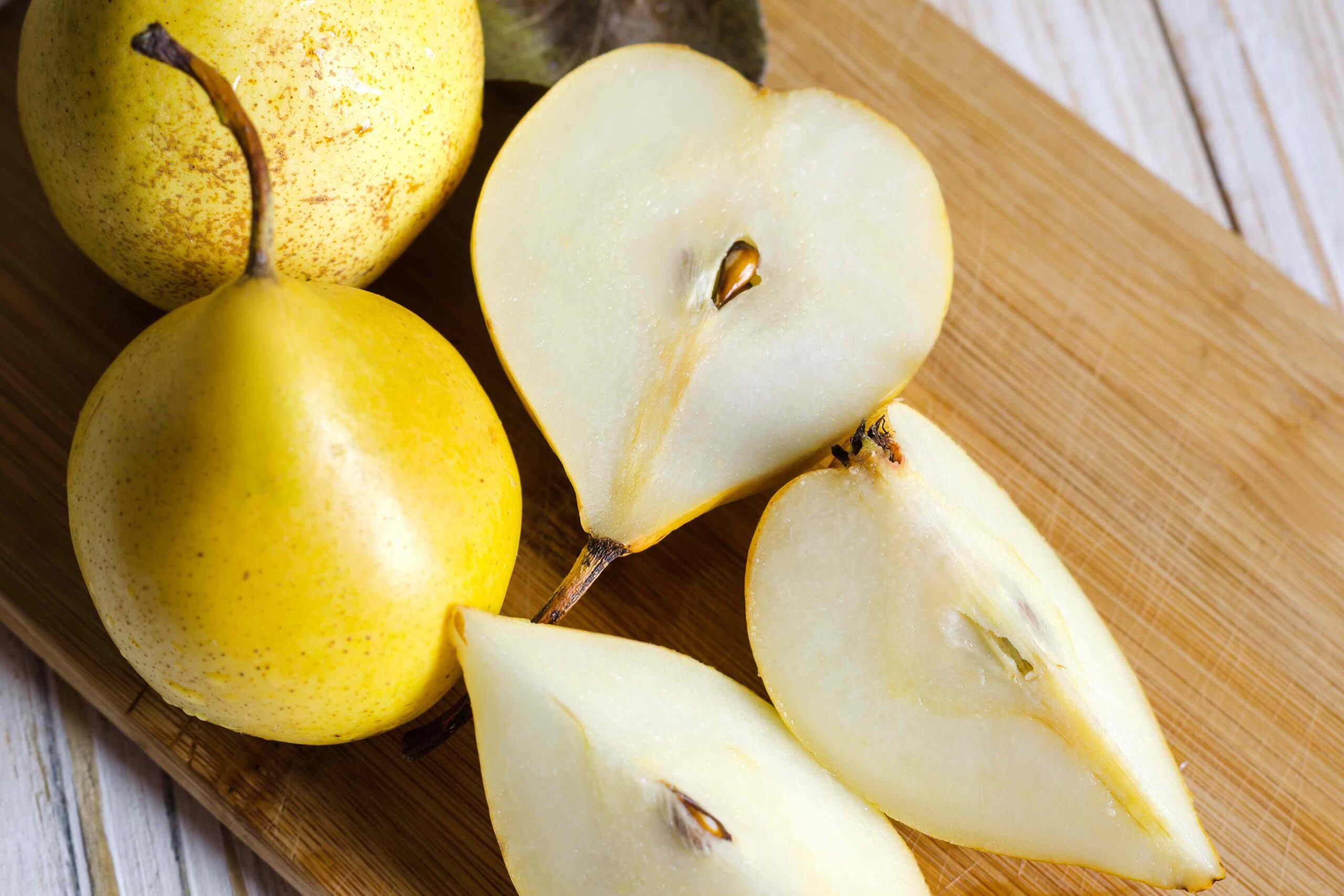
Pears, often overlooked in favor of flashier fruits, offer a surprisingly potent combination of health benefits. From improved digestion and heart health to better blood sugar control and even weight management, incorporating pears into your diet can yield significant advantages. Here’s a breakdown of what happens to your body when you make pears a regular part of your meals.
Digestive Health: Fiber Powerhouse
One of the most noticeable effects of eating pears is improved digestive function. Pears are exceptionally high in both soluble and insoluble fiber. A medium-sized pear (about 180 grams) delivers over 5.5 grams of fiber, nearly 20% of your daily requirement. Soluble fiber attracts water, softening stool for easier passage, while insoluble fiber adds bulk, promoting regularity.
But pears go further. They contain pectin, a prebiotic fiber that feeds the beneficial bacteria in your gut, nurturing a healthy microbiome. The fruit also naturally contains sorbitol – a sugar alcohol that gently acts as a natural laxative. As Meghan Garcia-Webb, a triple board-certified physician, explains, “Pears have a significant amount of fiber, which is important for helping our bodies stay full for longer after meals, promoting a healthy microbiome, and helping stool move through the intestines easily.”
Heart Health: Lowering Cardiovascular Risk
Pears aren’t just good for your gut; they contribute to a healthier heart. The soluble fiber in pears binds to cholesterol in the digestive tract, helping lower LDL (“bad”) cholesterol levels. This directly reduces cardiovascular risk.
Beyond fiber, pears provide small amounts of potassium and magnesium, essential for blood pressure regulation. The fruit also contains flavonoid antioxidants, which fight inflammation and protect cells from damage – key factors in preventing heart disease. Research supports this: a 2019 review showed that higher pear and apple consumption correlated with a significantly lower risk of death from heart disease.
Blood Sugar Control: A Low-Glycemic Choice
Despite their natural sweetness, pears are blood sugar-friendly. They have a low glycemic index (GI) of around 38. This means they cause gradual increases in blood sugar instead of sharp spikes.
Understanding the Glycemic Index (GI): The GI ranks foods on a scale of 0–100 based on their impact on blood sugar. Low-GI foods (under 55) are best for stable blood sugar, while high-GI foods (70+) cause rapid spikes.
The soluble fiber in pears slows carbohydrate digestion and absorption, preventing glucose from flooding the bloodstream. Jennifer Pallian, a registered dietitian, notes this makes pears an effective tool for managing blood sugar levels.
Weight Management: Feeling Fuller for Longer
Pears support healthy weight by promoting fullness. The fiber slows digestion, stimulating the release of satiety hormones, making you feel satisfied with less food. Research even suggests fiber intake is the strongest predictor of body weight, regardless of calorie or macronutrient consumption.
Nutritional Profile: What Pears Offer
A medium-sized pear (180 grams) provides:
- Calories: Low (around 100)
- Fiber: 5.5 grams
- Vitamin C: Moderate
- Copper: Trace amounts
- Potassium: Small amounts
Incorporating pears into your daily diet is a simple, effective strategy to improve digestive health, support heart function, manage blood sugar levels, and aid in weight control. The fruit’s fiber-rich composition and low GI make it a nutritional powerhouse.