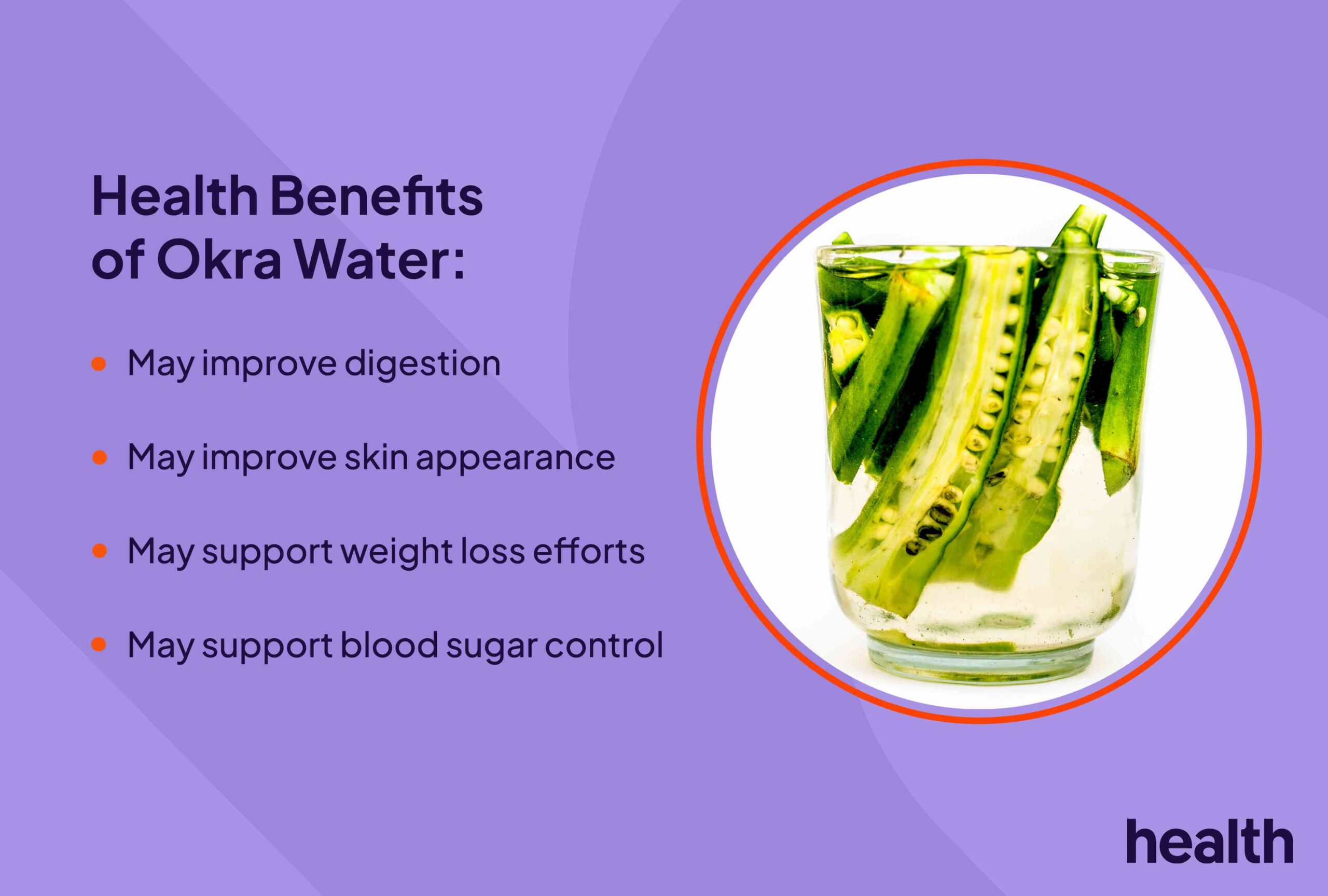
Okra water, a simple infusion made by soaking okra pods in water, has gained popularity as a natural health remedy. While anecdotal evidence suggests benefits ranging from blood sugar control to improved digestion, scientific research remains limited. This article breaks down the potential advantages of okra water, backed by available studies, alongside realistic expectations.
Blood Sugar Management: A Promising but Understudied Area
For generations, okra has been used traditionally to help manage diabetes. Modern research offers some support. A 2022 study on people with type 2 diabetes showed that consuming okra extract (in capsule form) led to lower fasting blood sugar and HbA1c levels – a key measure of long-term blood sugar control. However, this study used concentrated okra extract, not simply water infused with pods. The mechanism may involve compounds in okra that slow sugar absorption.
Weight Loss Potential: Fiber’s Role, Not Magic
Okra is rich in fiber and protein, both of which promote fullness and potentially reduce overall calorie intake. An animal study in 2019 indicated that mice with diabetes lost weight after being given okra extract for eight weeks. Human research is still needed to confirm this effect. The primary benefit here may be hydration, as drinking any water can support metabolism and contribute to weight loss.
Digestive Health: A Natural Soothing Agent
Okra contains soluble fiber, which creates a gel-like substance when mixed with water. This can ease digestion and soothe the digestive tract. The mucilage in okra is also alkaline, potentially neutralizing stomach acid and protecting against ulcers. However, this benefit isn’t unique to okra water; other fiber-rich foods like apples and beans can provide similar effects.
Skin Benefits: Vitamins, but Don’t Expect Miracles
Okra contains vitamins A and C, both beneficial for skin health. Vitamin A supports skin immunity, while vitamin C boosts collagen production. Keep in mind that the nutrient concentration in okra water is significantly lower than that of raw okra. Don’t rely on it as a primary skincare solution.
Cholesterol Control: Fiber’s Indirect Impact
Okra’s fiber content may help lower cholesterol by binding to it in the digestive tract. It’s unclear whether okra water retains enough fiber to produce this effect. The benefit is likely minimal compared to eating whole okra or other high-fiber foods.
Nutritional Content: More Hydration Than Powerhouse
Okra water isn’t a nutritional powerhouse. A cup of raw okra provides 33 calories, minimal fat and sodium, 7.45 grams of carbohydrates (including 3.2 grams of fiber), and 1.93 grams of protein, alongside vitamins A, C, and K. Okra water will contain only trace amounts of these nutrients.
Risks and Precautions: Who Should Be Careful?
Okra water is generally safe, but some should exercise caution:
- Allergies: People allergic to okra should avoid it.
- Digestive Issues: High-fructose content may cause discomfort in some. Start with small amounts.
- Kidney Stones: Oxalates in okra may contribute to stone formation; those with a history of kidney stones should be cautious.
Making Okra Water: Simple Instructions
To make okra water, soak sliced or whole okra pods in water overnight, refrigerated. Strain the water before drinking. Alternatively, enjoy whole okra roasted, boiled, or pickled for maximum nutrient intake.
In conclusion, okra water shows potential health benefits, primarily due to okra’s fiber and vitamin content. However, current research is limited, and the actual nutritional value of okra water is low. It can be a hydrating addition to a healthy diet, but shouldn’t replace established medical treatments or a balanced nutritional plan.