


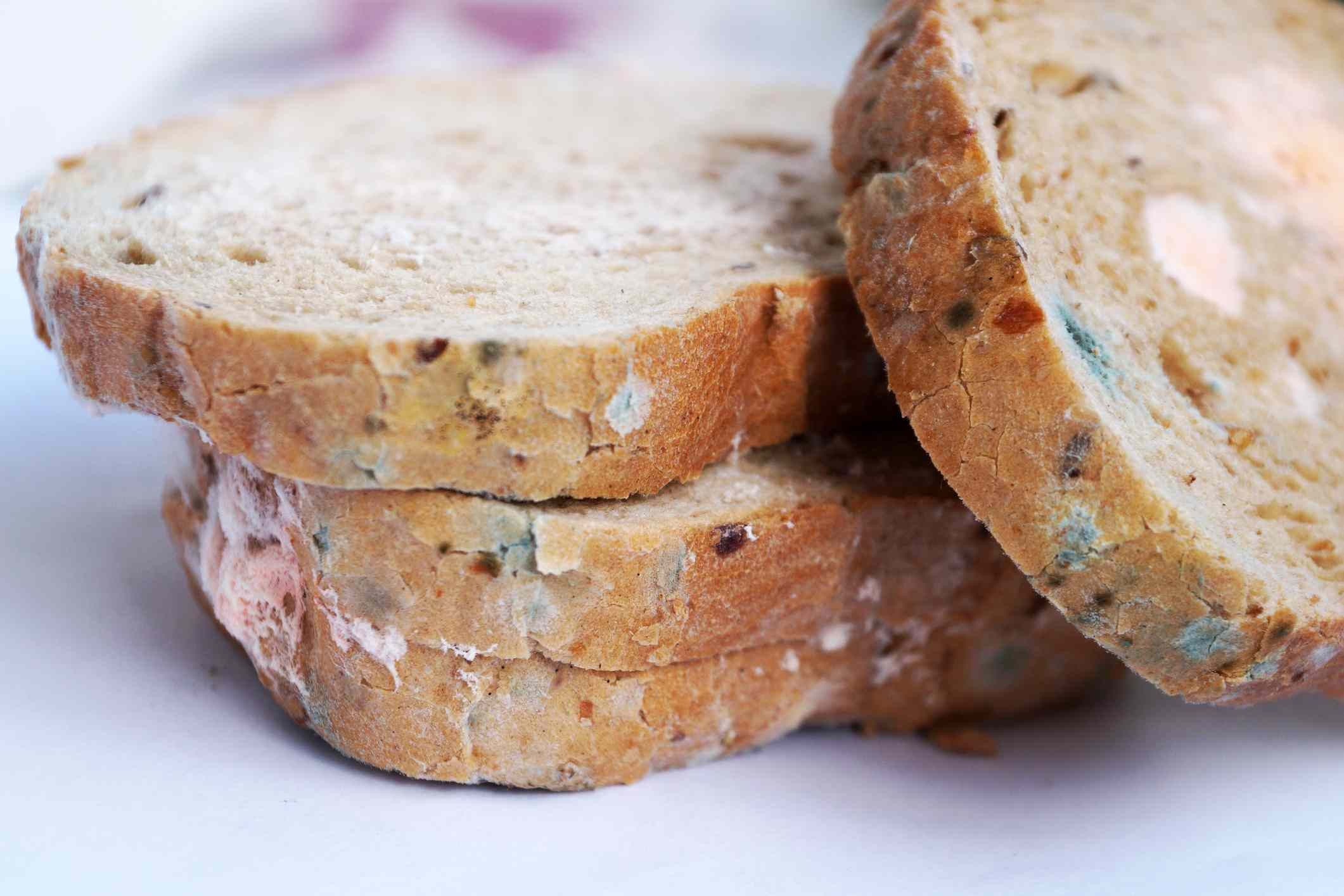
Most people who eat bread occasionally find mold growing on it. The question isn’t if it will happen, but what to do when it does. The answer from food safety experts is clear: do not eat moldy bread, even if you cut off the visible part.
Why Mold Spreads Beyond What You See
Mold isn’t just a surface issue. Bread is porous, meaning mold’s unseen roots (mycelium) can spread throughout the loaf, even if you only spot a small patch. This isn’t just a matter of taste; some molds produce mycotoxins, harmful compounds that can cause illness, especially in vulnerable people (pregnant women, children, those with weakened immune systems).
There’s no way to tell which molds are toxic without lab testing, so experts advise erring on the side of caution. The USDA recommends discarding any bread with visible mold, regardless of how small the spot.
The Science Behind Bread Mold
Mold thrives on bread because it provides everything fungi need: moisture, nutrients, and warmth. Common culprits include Rhizopus nigricans (fluffy white with black spots) and Penicillium species (greenish to black clusters).
Homemade bread, lacking preservatives, spoils faster. Even commercial bread isn’t immune if stored improperly. Warm, damp conditions accelerate mold growth.
Why Cutting Mold Doesn’t Work
Cutting off the moldy part doesn’t solve the problem. Margot Vigeant, a chemical engineering professor at Bucknell University, explains, “The roots are still there.” In sliced bread, mold can spread between slices, making even removing a single moldy piece unreliable.
For hard cheeses or firm vegetables, the USDA says cutting 1 inch around the mold is fine because the fungus can’t penetrate deeply. Bread isn’t like that.
How to Prevent Mold Growth
The best approach is prevention:
- Store bread properly: Keep it in a cool, dry place (bread box or pantry).
- Seal it tight: Use original packaging or an airtight container.
- Freeze it: Freezing stops mold in its tracks. Slice before freezing for easy use.
Commercial bread lasts 2–4 days at room temperature, 1–2 weeks refrigerated, or up to 3 months frozen. Homemade or preservative-free bread spoils faster.
Mold on bread isn’t just unpleasant; it can be unsafe. Discarding the entire loaf is the only way to ensure you’re not consuming harmful toxins. Prevention through proper storage is always better than risk.


