For decades, the pursuit of longevity has often been synonymous with plant-based eating. However, new research suggests that as we reach the final chapters of life, the rules of nutrition may shift. A recent study published in The American Journal of Clinical Nutrition indicates that strict vegetarianism might actually be a hurdle for those aiming to reach their 100th birthday.
The Study: Comparing Centenarians and Non-Centenarians
Researchers utilized data from the Chinese Longitudinal Healthy Longevity Survey, a comprehensive study that has tracked the health of older adults in China since 1998. To understand the dietary patterns of extreme longevity, the team compared two distinct groups:
– 1,459 centenarians (those who lived to at least 100).
– 3,744 non-centenarians (those who passed away before reaching 100).
The findings revealed a surprising trend regarding meat consumption:
* Vegetarians were 19% less likely to reach age 100 compared to omnivores.
* Vegans saw an even sharper decline, with a 29% lower likelihood of reaching the milestone.
* Pesco-vegetarians (who eat fish) and ovo-lacto-vegetarians (who eat eggs and dairy) showed no significant difference from omnivores, suggesting that animal-derived products may provide a protective edge.
The Role of Body Mass and Nutrient Absorption
One of the most critical nuances of this research is the connection between diet, weight, and age. The link between vegetarianism and lower longevity was most pronounced in underweight individuals (those with a BMI under 18.5). For those with a BMI of 18.5 or higher, the correlation was much less significant.
This highlights a biological reality for the elderly: malnutrition and frailty.
As humans enter their 80s and beyond, several physiological changes occur:
1. Decreased Absorption: The body becomes less efficient at extracting nutrients from food.
2. Muscle Maintenance: Maintaining muscle mass is vital to prevent fractures and loss of mobility.
3. Nutrient Density: Animal-derived foods offer “complete proteins” and highly bioavailable micronutrients that are often harder to obtain in sufficient quantities through plants alone.
While plant-based diets are highly effective at preventing chronic diseases like diabetes and heart disease in younger populations, the nutritional requirements of the very old may prioritize caloric density and protein bioavailability to combat the risks of being underweight.
Practical Implications for Different Life Stages
It is important to note that this research does not mandate a sudden shift to meat consumption for everyone. Instead, it emphasizes the need for nutritional flexibility as we age.
For Younger Adults (30s–60s)
If you are currently thriving on a vegetarian or vegan diet, this study is not a reason to change your lifestyle. The primary goal in middle age is often disease prevention, where plant-based diets excel.
For Older Adults (80+)
As you age, the focus should shift toward ensuring you are meeting high protein and micronutrient demands.
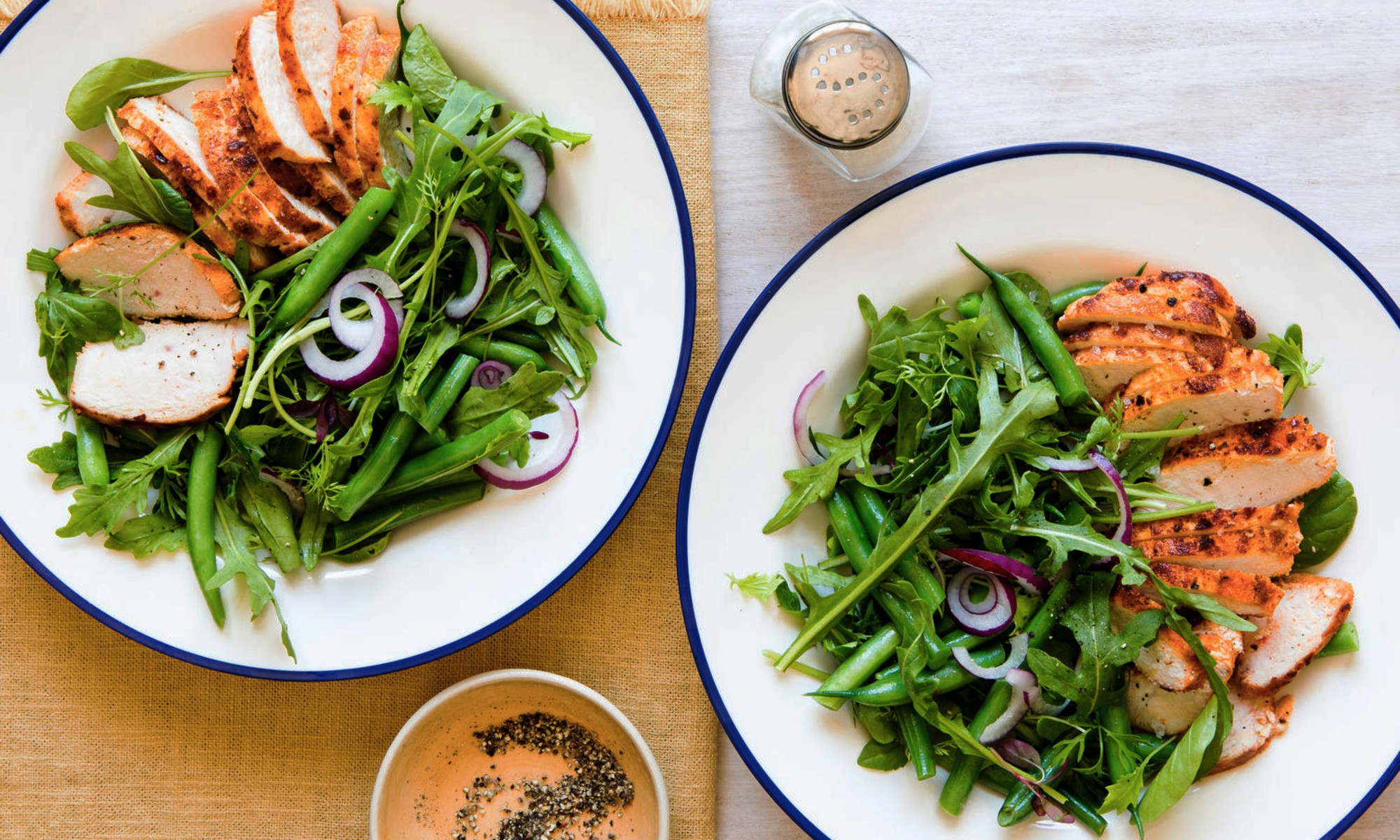
– Prioritize Quality: Focus on nutrient-dense foods like fatty fish, eggs, and high-quality meats alongside vegetables and grains.
– Monitor Weight: Being underweight is a significant risk factor for longevity in late life.
– Consult Professionals: If you are a vegetarian entering your senior years, working with a registered dietitian can help ensure your protein intake is sufficient to maintain muscle and bone health.
The Bottom Line: Longevity is not a “one size fits all” formula. What serves the body well in youth may need to be adjusted in old age to prioritize nutrient density and prevent frailty.
Conclusion: While plant-based diets offer many health benefits, a balanced diet that includes animal proteins may be more effective at supporting the specific nutritional needs of centenarians. As we age, dietary focus should move toward maintaining weight and ensuring high nutrient bioavailability.