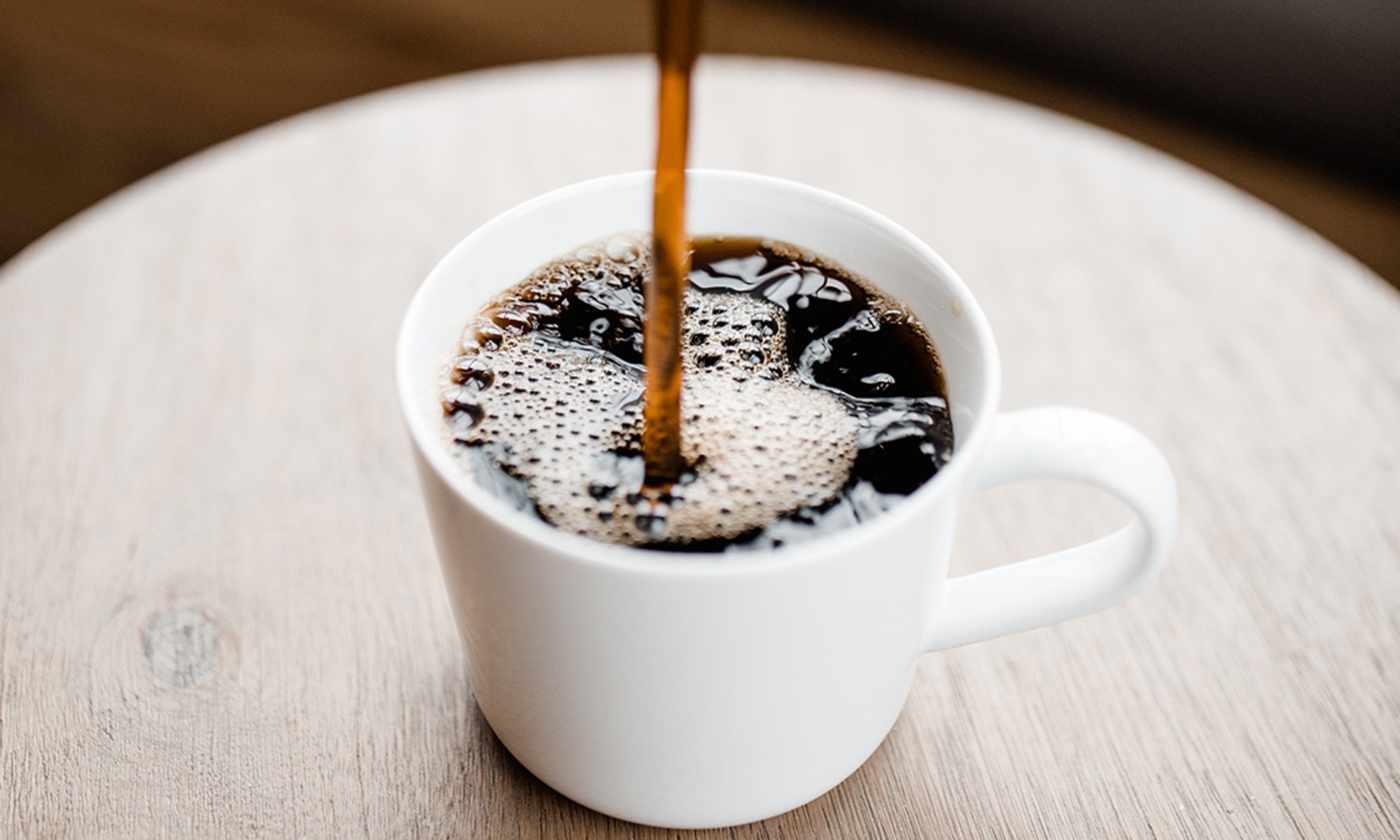
Coffee is a global ritual for billions, but beyond the morning rush, a key choice often goes unconsidered: the bean itself. While over 124 coffee species exist, the vast majority of consumption relies on just two – Arabica and Robusta. Understanding their differences is critical, not just for flavor, but also for maximizing health benefits.
The Basics of Coffee Beans
Coffee originates from flowering trees grown in tropical climates. The process involves harvesting cherries, extracting the bean, drying, and roasting. Both Arabica and Robusta contain caffeine, sugars, oils, and antioxidants, but their chemical compositions differ significantly, impacting both taste and nutritional profile.
Arabica: The Preferred Choice
Arabica beans are widely favored for their superior flavor profile. This stems from several key characteristics:
- Reduced Bitterness: Arabica contains slightly fewer bitter compounds like caffeine and chlorogenic acids.
- Richer Oils: Arabica boasts up to 60% more oils, delivering a smoother, creamier mouthfeel and enhancing aroma.
- Lighter Body: Lower amino acid content creates a lighter, velvety texture.
- Balanced Acidity: Higher acidity provides brightness, balancing other flavors without harshness.
Due to these qualities, Arabica is generally considered higher in quality and often commands a higher price. The increased demand has also driven improvements in sustainability and quality control within the Arabica industry – a contrast to Robusta, where such standards are less stringent.
Robusta: The Alternative
Robusta beans typically exhibit a more bitter, earthy, or rubbery taste. They are also more prone to defects like mold or insect damage, though these can be mitigated with improved quality control (which is less common in Robusta production). While some prefer Robusta’s boldness, it generally requires more careful sourcing to ensure quality.
Nutritional Considerations
Coffee, regardless of species, offers health benefits including heart health support, cognitive protection, gut microbiome enhancement, and metabolic boosts. However, roasting and brewing significantly influence antioxidant levels.
- Roast Level: Light to medium roasts preserve more antioxidants compared to dark roasts. Arabica beans are frequently light to medium-roasted to maintain their delicate flavors, while Robusta is often dark-roasted to mask bitterness.
- Brew Method: Filter methods like drip, pour-over, and cold brew yield stronger antioxidant activity than espresso.
Making the Choice
For a consistently high-quality, flavorful cup, choosing 100% Arabica beans is the optimal choice. While Robusta can be acceptable with careful selection, Arabica delivers a superior experience without the guesswork. If you want even more assurance, consider a third-party tested coffee such as mindbodygreen’s clean coffee+, which undergoes rigorous lab testing for purity and potency.
In conclusion, prioritizing Arabica beans ensures a smoother, brighter, and potentially more nutritious coffee experience, allowing you to enjoy the benefits of this beloved beverage to the fullest.