


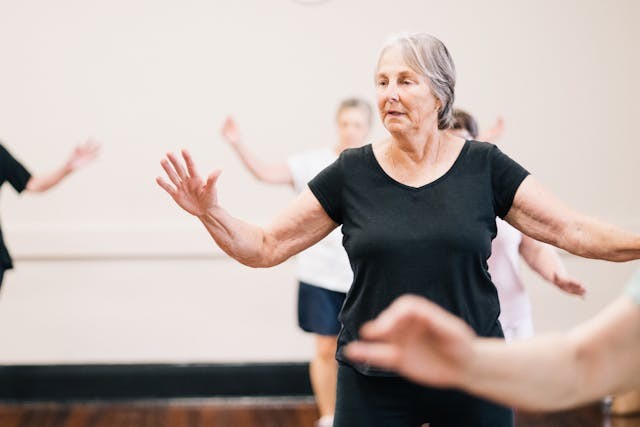
Modern senior living is no longer about simply providing care; it’s about empowering residents to thrive. Communities increasingly recognize that a fulfilling retirement hinges on more than just physical health. Active aging – a holistic approach encompassing physical vitality, cognitive engagement, and social connection – is now central to the design of successful senior living environments. This isn’t just about extending lifespan, but enhancing the quality of life in later years.
The Three Pillars of a Vibrant Retirement
Successful communities don’t operate on one dimension, but on three.
- Physical Vitality: Regular movement, from simple walks to structured fitness, is fundamental.
- Cognitive Engagement: Lifelong learning, hobbies, and intellectual stimulation keep the mind sharp and resilient.
- Social Connection: Strong relationships combat isolation, reducing the risk of depression and promoting emotional well-being.
These aren’t independent goals; they reinforce each other, creating a positive feedback loop that boosts overall health.
Recreation Programs: A Growing Priority
Senior living communities are adapting to this shift. Fitness isn’t just an amenity; it’s a core service. Tailored programs are designed to accommodate all fitness levels, offering everything from gentle yoga and tai chi (proven to reduce fall risk) to swimming, dance, and walking trails. The goal is inclusivity: activities for those who want high-intensity workouts and those who prefer light, relaxing movement.
But physical health is just one piece. Communities are expanding mental stimulation opportunities, including educational classes, workshops, book clubs, and creative arts programs. Research shows that consistent mental engagement can provide a cognitive advantage of up to six years, regardless of prior education. That’s why art studios, music programs, and lifelong learning opportunities are becoming standard.
The final pillar – social connection – is equally vital. Nearly 35% of older adults experience social isolation, which is linked to severe health risks. Communities actively combat this through clubs, planned events, and links to local organizations. Intergenerational programs (like pen pal initiatives) are also gaining traction, benefiting both older and younger participants.
Longevity & Life Satisfaction: What the Research Says
Studies have repeatedly shown that an active lifestyle correlates with greater longevity and higher life satisfaction. Interestingly, variety may be more important than intensity. A blend of physical, mental, and social activities provides the most comprehensive benefits. Senior living communities, with their diverse programming, are uniquely positioned to deliver this.
Cornwall Manor: A Case Study in Active Aging
Cornwall Manor in Pennsylvania exemplifies this approach. The community boasts a fitness center, indoor pool, wellness classes (yoga, Zumba, tai chi), and even an organic farm with community garden plots. But its strength lies in personalization: residents receive dedicated support from Life Engagement and Fitness Coordinators to find activities they enjoy.
This isn’t just about amenities; it’s about empowerment. Residents can join art groups, woodshops, book clubs, and volunteer in the wider community. Cornwall Manor’s approach aligns with current research: active aging isn’t just about living longer, it’s about living better.
Addressing Common Concerns
Many seniors worry about participation. Communities are responding by offering inclusive programs that accommodate mobility issues and chronic conditions. Modifications are readily available, and no one is forced into group activities. Introverts can thrive through solo hobbies or quiet connections. If a desired activity isn’t offered, residents are encouraged to start their own clubs.
Ultimately, the goal is to create an environment where every resident feels supported, engaged, and empowered to embrace the next chapter with vitality.


