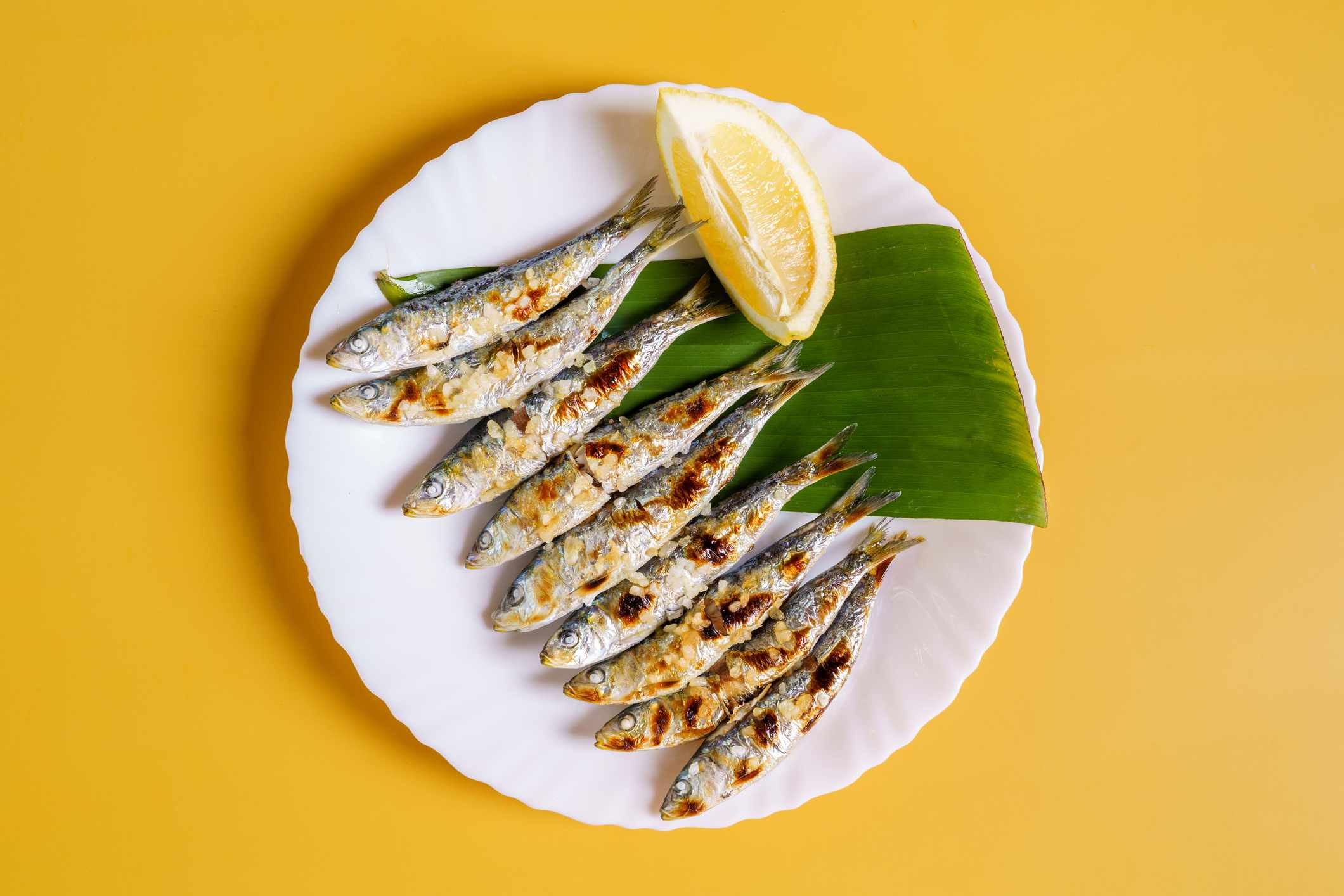
Fish are a nutritional powerhouse, offering essential nutrients that support cognitive function and overall health. Specifically, fatty fish rich in omega-3 fatty acids, vitamin B12, and vitamin D stand out for their brain-boosting benefits. This isn’t just about eating fish—it’s about optimizing your diet for long-term cognitive health, as studies link regular fish consumption to slower memory decline in older adults.
1. Salmon: The Omega-3 Champion
Salmon is perhaps the most celebrated fish for brain health, and for good reason. It delivers high doses of DHA and EPA, two crucial omega-3 fats that reduce inflammation and support the structural integrity of brain cells. These fats don’t just protect your brain; they also enhance communication between neurons, improving memory and learning. Beyond omega-3s, salmon also provides protein, vitamin D, and selenium—a potent antioxidant protecting cells from damage.
2. Canned Tuna: Affordable Brain Support
Canned tuna offers an accessible way to incorporate brain-healthy fats into your diet. While it may not be as luxurious as fresh salmon, tuna still delivers omega-3s that support blood flow to the brain, aiding in memory and learning. Crucially, it’s an excellent source of vitamin B12, essential for nerve cell health. Low B12 levels are directly linked to cognitive decline, making tuna a simple yet effective dietary addition. Choose light tuna over albacore to minimize mercury exposure.
3. Rainbow Trout: A Vitamin D Powerhouse
Rainbow trout provides a unique benefit: high levels of vitamin D. A single serving contains over 80% of your daily requirement. While vitamin D is well-known for bone health, it also plays a critical role in brain function. Vitamin D receptors are found throughout the brain, and deficiencies have been associated with cognitive impairment. This makes trout particularly valuable for older adults, who are at higher risk of vitamin D deficiency.
4. Herring: Small Fish, Big Benefits
Herring is a fatty fish with a concentrated dose of omega-3s. Its smaller size also means lower mercury levels compared to larger predatory fish. Beyond omega-3s, herring offers vitamin B12 and selenium, further bolstering brain health.
5. Sardines: The Nutrient-Packed Tiny Fish
Don’t underestimate sardines. These small fish are loaded with omega-3s, vitamin B12, vitamin D, calcium, selenium, zinc, and vitamin E. Like selenium, vitamin E acts as an antioxidant protecting brain cells. Low vitamin E intake has been linked to dementia, making sardines a surprisingly powerful dietary choice. Their low position on the food chain also means minimal mercury contamination.
6. Anchovies: Flavor and Brain Health
Anchovies deliver a concentrated source of omega-3s, along with protein, calcium, and vitamin B12. A single serving provides 25% of your daily iron needs, which is crucial for oxygen transport to the brain. Iron deficiency can lead to fatigue, poor concentration, and memory problems. Anchovies are also low in mercury, making them a safe option.
7. Atlantic Mackerel: Magnesium and More
Atlantic mackerel is a nutrient-dense fish that supports brain health through omega-3s, vitamin B12, selenium, and magnesium. Magnesium plays a vital role in nerve function, bone health, and may reduce inflammation, all of which benefit cognitive function. Avoid king mackerel due to its high mercury content ; stick to Atlantic mackerel for a safer, healthier choice.
Integrating these fish into your diet aligns with the principles of the Mediterranean and MIND diets, both proven to enhance cognitive function and lower dementia risk. Eating for brain health isn’t just about what you eat; it’s about making consistent, informed choices for long-term cognitive well-being.