


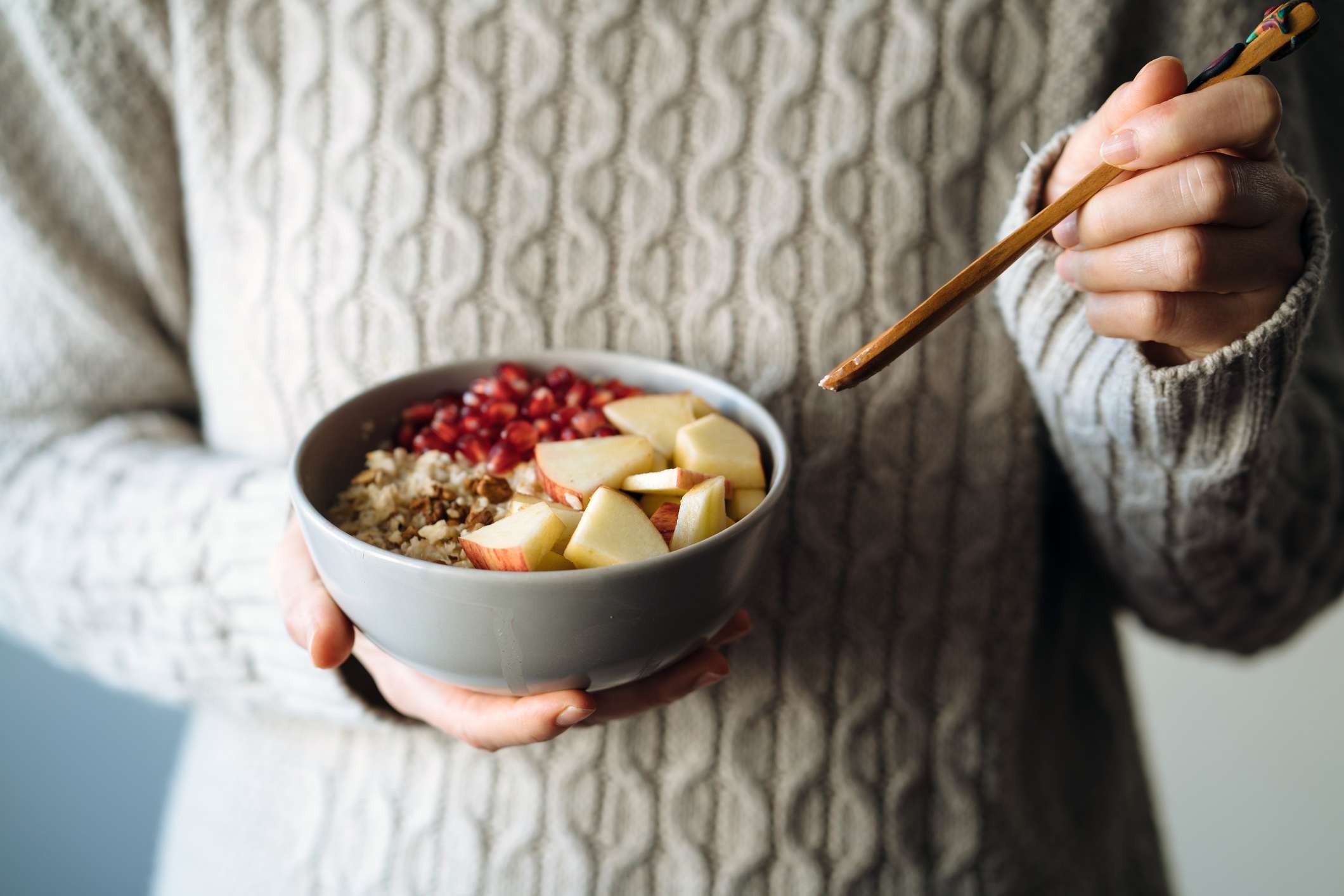
Whole grains are a powerful dietary tool for weight loss because they are naturally high in fiber and protein, which promote satiety and reduce overall calorie intake. This isn’t just about feeling fuller longer; it’s a fundamental shift in how your body processes carbohydrates. Refined grains are stripped of these key nutrients, leaving you hungry sooner and potentially leading to overeating.
The Science Behind Whole Grains and Weight Loss
The benefit comes from how fiber and protein slow digestion. This prevents rapid spikes in blood sugar, reducing cravings and keeping energy levels stable. Choosing whole grains over refined options is one of the simplest, most effective changes you can make for sustainable weight management.
Top 12 Whole Grains for Weight Loss: A Deep Dive
Here’s a detailed look at the best whole grains to incorporate into your diet:
1. Steel-Cut Oats: The Fiber Champion
Steel-cut oats are processed less than rolled oats, retaining more fiber (4g per ¼ cup) and protein (5g per ¼ cup). This makes them significantly more filling and beneficial for blood sugar control. Consistent oat consumption has been linked to lower cholesterol and blood pressure, further enhancing overall health.
2. Buckwheat: A Gluten-Free Powerhouse
Despite its name, buckwheat is a seed enjoyed like a grain. It’s naturally gluten-free and delivers 4.54g of fiber and 5.68g of protein per cup. Buckwheat also contains flavonoids—protective plant compounds with anti-inflammatory properties—plus vital minerals like magnesium and potassium.
3. Quinoa: The Complete Protein Source
Quinoa stands out with 8g of protein per cup, surpassing most carbohydrates in protein content. It’s also high in fiber (5.18g per cup) and rich in folate, magnesium, zinc, and iron. Substituting lower-protein grains with quinoa can significantly improve feelings of fullness.
4. Brown Rice: A Superior Alternative to White Rice
Brown rice contains double the fiber and 28% more protein than white rice. Studies show brown rice can be more effective for reducing body weight, BMI, and waist circumference. It’s also gluten-free, making it accessible for many diets.
5. Amaranth: An Ancient Grain with Modern Benefits
Amaranth provides 9.35g of protein per cup, aiding in calorie control. Regular consumption may reduce heart disease risk factors by lowering cholesterol and blood sugar levels. It’s also a good source of fiber, vitamins, and minerals like magnesium and iron.
6. Sorghum: A Fiber-Rich Gluten-Free Option
Sorghum is packed with fiber (9g per ¼ cup dry), supporting digestive health and promoting healthy gut bacteria. High-fiber diets are proven effective for fat loss and weight maintenance. It also contains magnesium, B vitamins, and antioxidants.
7. Teff: A Low-Glycemic Index Grain
Teff boasts 9.75g of protein and 7g of fiber per cooked cup with a low glycemic index (around 36.7). This means it has a smaller impact on blood sugar than other carbohydrates, making it suitable for those managing prediabetes or diabetes.
8. Freekeh: Roasted to Perfection
Freekeh, roasted immature wheat, delivers 5g protein and 4.48g fiber per ¼ cup. It’s also rich in antioxidants (flavonoids and phenolic compounds) and minerals like magnesium, phosphorus, zinc, and manganese. Note: Contains gluten.
9. Farro: A Chewy, Nutritious Choice
Farro offers 5g protein and 4g fiber per cup. Its chewy texture and nutty flavor make it a versatile substitute for refined grains. Note: Contains gluten.
10. Barley: A Hearty, Fiber-Rich Grain
Barley provides 6g fiber per cup and is high in selenium, iron, and B vitamins. Its robust texture makes it satisfying in soups and salads. Note: Contains gluten.
11. Bulgur: Cracked Wheat with a Punch
Bulgur delivers 8.19g protein and 5.61g fiber per cup. Its mild taste and chewy texture make it ideal for main and side dishes. Note: Contains gluten.
Making the Switch: Practical Tips
To maximize weight loss, replace refined carbohydrates (white bread, white rice) with these whole grains. Experiment with different options to find your favorites. Incorporate them into salads, soups, stews, or as side dishes to make them a natural part of your diet.
Ultimately, choosing whole grains isn’t just about losing weight; it’s about fueling your body with the nutrients it needs for sustained energy, improved digestion, and long-term health.


