Fiber-rich foods are a cornerstone of effective weight loss and overall health. They promote fullness, aid digestion, and contribute to stable blood sugar levels. Nutritionists consistently recommend prioritizing these foods for sustainable results. This article details ten options, backed by research, that can integrate into your diet for noticeable benefits.
The Role of Fiber in Weight Management
Fiber slows digestion, which helps you feel fuller for longer, reducing overall calorie intake. Beyond weight control, adequate fiber intake improves gut health, lowers cholesterol, and reduces the risk of chronic diseases. These benefits are not just theoretical; studies consistently show a correlation between high-fiber diets and better health outcomes.
Top 10 High-Fiber Foods
-
Lentils: Delivering 15.6 grams of fiber per cup (55.7% DV), lentils are a powerhouse. They also provide 17.9 grams of protein, further enhancing satiety. A 2023 study in the United States found that regular legume consumption correlates with less weight gain over a decade. Use them in soups, salads, or as a roasted snack.
-
Avocado: One medium avocado (201g) packs 13.5 grams of fiber (48% DV). The low carbohydrate and high healthy fat profile make it ideal for low-carb diets. Research suggests fiber-rich foods like avocados may help prevent weight gain and reduce LDL cholesterol, lowering heart disease risk. Slice into salads or use mashed as a healthy substitute for mayo.
-
Flaxseeds: Just one tablespoon of whole flaxseeds contains 5.62 grams of fiber (20% DV). Beyond fiber, they are rich in copper, magnesium, and selenium. Studies show that 30 grams of ground flaxseed daily can significantly reduce waist circumference. Add them to oatmeal, chia pudding, or smoothies.
-
Raspberries: A cup of raspberries offers 8 grams of fiber (29% DV). They are also packed with antioxidants, protecting cells from damage and reducing the risk of heart disease and certain cancers. Enjoy frozen in smoothies or fresh as a cereal topping.
-
Brussels Sprouts: One cup provides 4 grams of fiber (14.3% DV). A 2018 review found that higher vegetable intake is linked to lower obesity rates. They also provide vitamins C, K, folate, and carotenoids. Roast them for a classic side dish, or thinly shave them raw into salads.
-
Chia Seeds: One ounce contains 9.75 grams of fiber (34.8% DV). A 2024 review suggests chia seed supplementation is linked to reduced waist circumference. They are also rich in calcium, selenium, iron, and magnesium. Mix into yogurt, pudding, or baked goods.
-
Blackberries: A cup delivers 7.63 grams of fiber (27.3% DV), along with folate, vitamin C, vitamin K, and manganese. Their phenolic compounds provide powerful antioxidant protection. Enjoy in fruit salads or as an oatmeal topping.
-
Black Beans: One cup contains 15 grams of fiber (over 50% DV) and 15.2 grams of protein. This fiber encourages healthy bowel movements and may protect against colon cancer and diverticulitis. Add to soups, salads, tacos, or mash into baked goods.
-
Oat Groats: A quarter-cup provides 5 grams of fiber (18% DV) – more than double the amount in rolled oats. They also contain more protein, making them superior for weight loss. Use in porridge, grain bowls, or salads for a chewier texture.
-
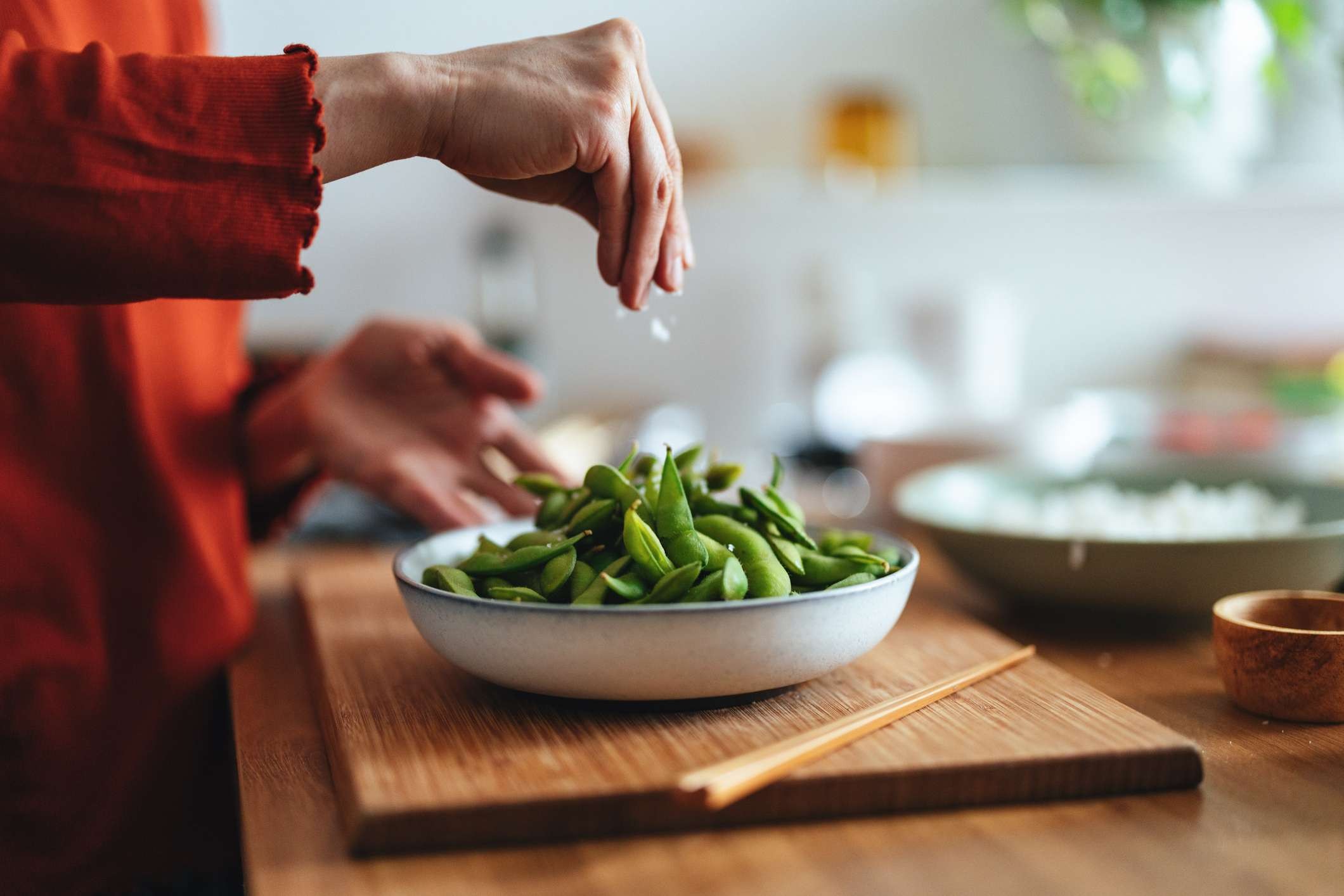
Edamame: One cup contains 8 grams of fiber (28.6% DV) and 18.5 grams of protein. Magnesium and potassium also support blood pressure regulation and reduce heart disease risk. Snack on them steamed, or add to stir-fries.
Conclusion
Incorporating these high-fiber foods into your diet is a simple yet powerful step toward weight management and improved overall health. By prioritizing fiber, you promote fullness, support digestion, and reduce the risk of chronic diseases. Consistent consumption, combined with a balanced lifestyle, will yield sustainable results.