Maintaining a healthy gut microbiome is crucial for overall well-being, and incorporating probiotic-rich foods into your diet is one effective strategy. Probiotics are live microorganisms that, when consumed in adequate amounts, provide health benefits. This guide details ten fermented foods that can boost your gut health, improve digestion, and even support your immune system.
The Science Behind Probiotics
The gut microbiome plays a vital role in nutrient absorption, immune response, and even mental health. An imbalance in gut bacteria (dysbiosis) can contribute to inflammation, digestive issues, and chronic diseases. Probiotic foods introduce beneficial bacteria that can help restore balance and improve gut function.
Top 10 Probiotic Foods
-
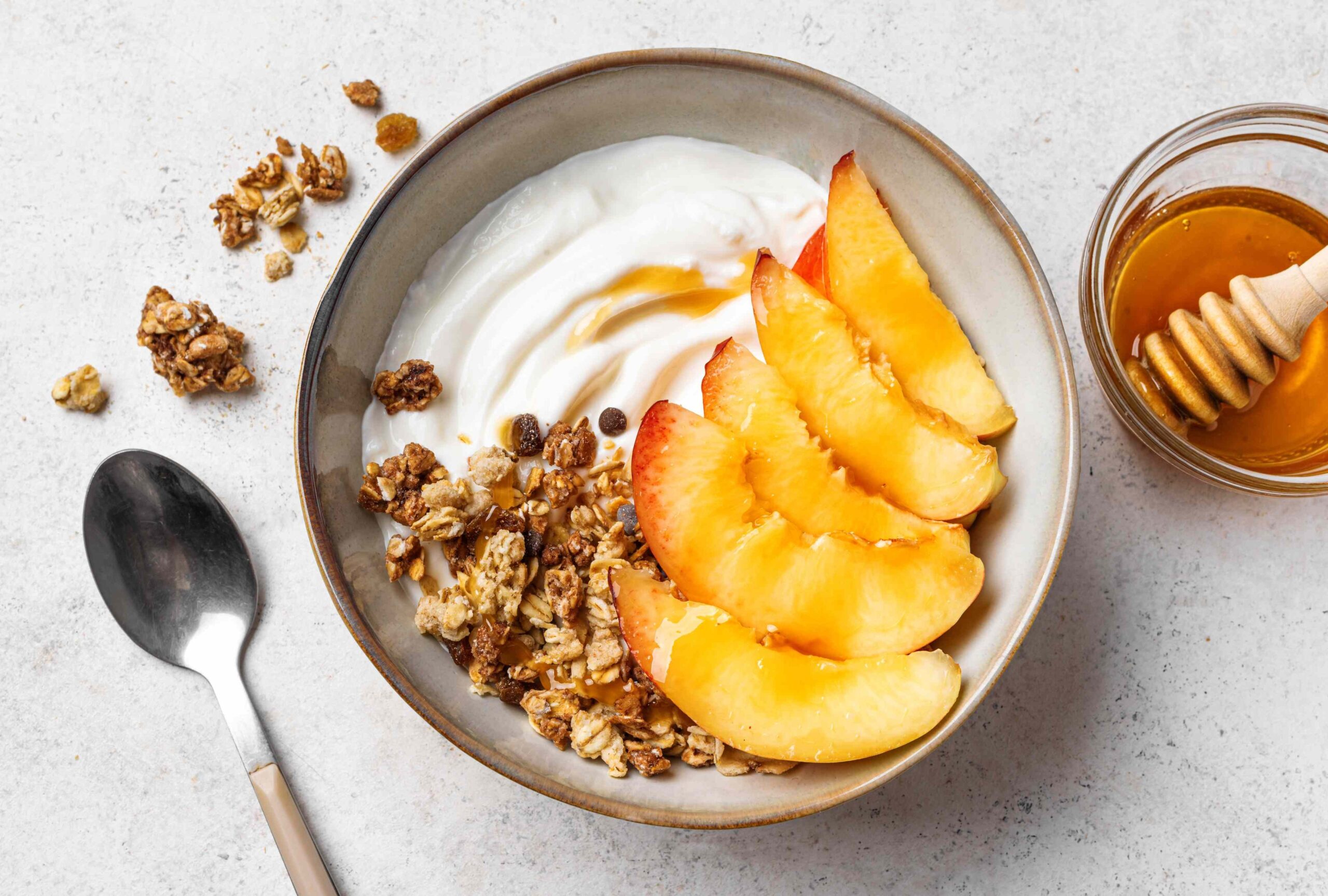
Yogurt: One of the most accessible probiotic sources, yogurt contains strains like Lactobacillus bulgaricus and Streptococcus thermophilus. Look for yogurts labeled with “live and active cultures” to ensure they contain at least 100 million live cultures per gram. Plain, unsweetened varieties are best; you can add fruit or honey for flavor. Yogurt is also a good source of protein and calcium, potentially reducing risks of diabetes, osteoporosis, and heart disease.
-
Kefir: This fermented milk drink boasts up to 61 probiotic strains, making it one of the most diverse sources. Kefir may support heart health, reduce inflammation, and improve digestion. Its low lactose content makes it suitable for those with mild lactose intolerance.
-
Kombucha: A fermented tea beverage, kombucha is rich in antioxidants. While research on its direct gut health benefits is ongoing, it may lower inflammation and improve immune function. Note that kombucha can contain trace amounts of alcohol (under 0.5% ABV).
-
Sauerkraut: Fermented cabbage is a traditional probiotic source. Lactic acid bacteria in sauerkraut may alleviate IBS symptoms, improve digestion, and boost immunity. Ensure you choose refrigerated sauerkraut labeled as “fermented” for live cultures.
-
Pickles: Fermented pickles (not vinegar-based) are a surprising probiotic source. The fermentation process enhances antioxidant levels. Check labels for “fermented” or “live cultures,” as many store-bought pickles lack them. Be mindful of high sodium content.
-
Tempeh: This fermented soybean product provides plant-based protein and probiotics. Cooking tempeh kills live probiotics, but the resulting paraprobiotics may still offer benefits. Paraprobiotics may enhance muscle mass, reduce fatigue, and improve athletic performance.
-
Kimchi: A Korean staple made from fermented cabbage and vegetables. Studies suggest daily kimchi consumption can reduce body fat and improve cholesterol levels by supporting gut health. It’s high in fiber and beneficial bacteria.
-
Miso: A fermented soybean paste used in Japanese cuisine. Miso provides fiber, plant protein, and probiotics that may help prevent obesity, high cholesterol, diabetes, and high blood pressure. Its umami flavor enhances soups and stews.
-
Natto: Another fermented soybean dish, natto contains Bacillus subtilis, which strengthens the intestinal barrier and reduces inflammation. Further research is needed, but natto is also rich in essential micronutrients like phosphorus, potassium, iron, and vitamin C.
-
Frozen Yogurt: Similar to yogurt, frozen yogurt can retain live cultures if labeled with “live and active cultures.” It must contain at least 10 million live cultures per gram at the time of manufacture.
Benefits of Probiotic Foods
Consuming probiotic-rich foods may help manage conditions such as antibiotic-associated diarrhea, eczema, high cholesterol, obesity, respiratory infections, and ulcerative colitis. The gut microbiome’s impact extends beyond digestion, influencing immune function and overall health.
How to Incorporate Probiotic Foods
While no strict guidelines exist, aim for one to two servings of probiotic-rich foods daily alongside a balanced diet. Experiment with different options to find what suits your taste and digestive system.
Probiotic foods are a powerful tool for supporting gut health and overall well-being. By making them a regular part of your diet, you can enhance your digestive function, strengthen your immune system, and improve your long-term health.