


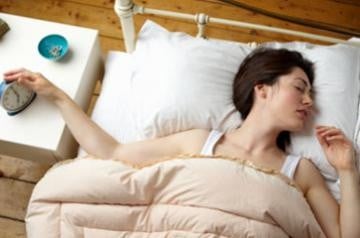
Falling asleep feels automatic. We do it every night, after all. But most of us are terrible at it. We assume the act is simple, yet the difference between a restless night and deep rest often comes down to how we spend our waking hours.
Take Henry. He is his own worst enemy. He races through his workday, then refuses to slow down when he gets home. He tries to cram everything he needs to do into the few remaining hours before midnight. By the time exhaustion finally hits him, it is the first time all day he has even considered sleep.
That is the trap.
Henry thinks that brushing his teeth, pulling back the covers, and closing his eyes will trigger a magical switch. He expects to be out cold in seconds. But his body and mind are still running at 80 miles per hour. He slams on the brakes, but the car doesn’t stop instantly. He is unprepared for rest.
Sound sleep does not happen by accident. It happens by design.
More than half of the U.S. population complains of sleep problems. Often, the culprit is a lack of preparation. To fix this, you have to look at the whole picture. It is not just about what you do at bedtime. It is about a four-part strategy that starts long before you hit the pillow.
Start Your Sleep Prep in the Morning
You cannot wait until nightfall to decide you want to sleep well. Your choices from the moment you wake up set the stage for the next night.
Waking up and making wise decisions throughout the day helps you sleep soundly later. It allows you to wake up with renewed energy instead of dragging yourself out of bed.
One of the most powerful tools is exercise. When and how you work out matters. Getting regular movement helps regulate your body’s internal clock. However, timing is key. Working out too close to bedtime can keep you awake, while doing it earlier can deepen your sleep pressure.
The Four Pillars of Better Sleep
If you want to maximize your sleep time, you need a plan. It boils down to four main considerations:
- Begin your preparations during the day. Your morning routine sets your circadian rhythm.
- Schedule your sleep patterns deliberately. Go to bed and wake up at consistent times, even on weekends.
- Practice relaxation habits. Give your body time to wind down before sleep.
- Control your sleep environment. Make your bedroom cool, dark, and quiet.
Why Preparation Matters
Henry’s mistake was assuming that sleep is a switch. It is not. It is a process.
When you rush into bed, your nervous system is still in fight-or-flight mode. Your heart is beating fast. Your thoughts are racing. You cannot simply “turn off” your brain. You have to coax it into a state of rest.
This requires intention.
Most people skip this step. They think they are too tired to plan their sleep. But being tired is exactly why they need to plan it. Without preparation, you are gambling with your rest.
What You Can Do Right Now
You do not need a medical degree to improve your sleep. You just need to change your behavior.
Start by looking at your day. Are you moving your body? Are you sticking to a schedule? Are you creating a space that invites rest?
Small changes add up. A consistent bedtime routine. A dark room. A decision to stop working hours before you sleep.
It seems simple. It is not.
But it is the only way to get the rest your body actually needs.
This information is solely for informational purposes. IT IS NOT INTENDED TO PROVIDE MEDICAL ADVICE. Neither the Editors of Consumer Guide (R), Publications International, Ltd., the author nor publisher take responsibility for any possible consequences from any treatment, procedure, exercise, dietary modification, action or application of medication which results from reading or following the information contained in this information. The publication of this information does not constitute the practice of medicine, and this information does not replace the advice of your physician or other health care provider. Before undertaking any course of treatment, the reader must seek the advice of their physician or other health care provider.
How you can improve your sleep with the right exercise plan
The loop is brutal and obvious. You don’t exercise because you’re tired. You are tired because you don’t sleep. It seems like a trap, but the solution is simpler than the problem suggests. Exercise and sleep have a complex, reciprocal relationship. Most people don’t go to the gym because exhaustion keeps them on the couch, but this exhaustion is often a symptom of poor sleep hygiene.
Exercise is probably the most neglected health habit. We know it’s good for us. The benefits are endless. It strengthens the heart. It lowers blood pressure. It builds bone density. It reduces stress. It lifts the mood. However, there is one particular benefit that is directly related to the fatigue cycle: deeper, more restful sleep.
The catch is in the timing. When it comes to turning off your brain at night, not all exercise is created equal.
The myth of late night training
Many believe that a heavy workout right before bed will tire them out. This is a misunderstanding. Intense exercise within three hours of going to bed actually makes it harder to fall asleep.
When you raise your heart rate late at night, you stimulate the brain, heart and muscles. This is the opposite of what you need to rest. Your body temperature rises. In reality, your core temperature needs to drop in order for you to fall asleep. Raising it right before bed messes with your body clock.
A golden window for sleeping
So when should you exercise to sleep better?
Morning exercises help. It reduces stress and improves mood, which indirectly promotes better rest. Exercising outside in the morning gives you an added bonus. Exposure to natural light strengthens your circadian rhythm. This light signal tells your body when you need to be awake and prepare for later sleep.
However, the best time is in the late afternoon or early evening to achieve the effect of a good night’s sleep. Here’s why.
Intense exercise raises the body temperature. If you stop exercising a few hours before bed, your temperature will naturally drop as you prepare for bed. This drop in core temperature is a biological trigger. It tells your body that it’s time to switch off. You fall asleep more gently.
It depends on the type of exercise
We are talking about vigorous activity here. Especially cardiovascular training.
Strength training is good. Yoga is good. Stretching is good. But none of these match the sleep-enhancing effects of cardio. You need an activity that keeps your heart rate up and your muscles pumping continuously for at least 20 minutes.
This does not have to be structured training. It can be:
– Brisk walking to and from work
– Jogging
– Swimming
– Cycling
– Skiing
– Jump rope
– Dancing
– Playing tennis
The goal is consistency. Try to set aside at least 20 minutes of this strenuous activity three to four times a week. Choose something you enjoy. If you enjoy it, you will do it.
Note on safety
If you have a serious illness, are significantly overweight or haven’t exercised in years, talk to your doctor first. Don’t dive in head first. Start slowly. Gradually increase the time and intensity of the exercises. This prevents injuries and keeps you in the game.
Regular exercise will help you feel better, look better and sleep better. But the connection to sunlight is just as complicated. We’ll explore that next.
This information is for educational purposes only. This is not medical advice. the editors, authors, nor publishers do not accept responsibility for any consequences arising from compliance with this information. This is not a substitute for the advice of your doctor or healthcare provider. Always seek medical advice before starting a new treatment, exercise program or dietary change.
Resetting Your Internal Clock with Morning Light
It feels backwards, doesn’t it? Seeking bright light in the early hours seems like it would keep you awake, yet that specific exposure is exactly what helps you sleep when the sun goes down. This isn’t magic. It’s the mechanics of the circadian rhythm.
Light is a signal. When photons hit your retina, they tell the brain to stop producing melatonin and start the day. We see this directly when we turn on a harsh lamp at 2 AM and feel instantly alert. But the inverse is equally powerful. Morning light anchors your internal timing system, preventing it from drifting out of sync with your actual schedule.
The Problem with “Forward Drift”
Your biological clock isn’t a perfect machine. Left unchecked, it tends to run slightly longer than 24 hours. This creates a “forward drift.” If you stay up late and wake up late, you reinforce this drift. Your body thinks it’s later than it actually is. The result is social jetlag: you’re tired in the morning but can’t fall asleep until way past your desired bedtime.
You need to reset this clock daily to match the Earth’s 24-hour cycle. Morning light is the most effective reset button.
Without adequate light cues, your sleep-wake cycle, body temperature, and hormone release can become chaotic. You don’t need to be isolated in a cave to experience this. Even mild morning light deprivation can make it harder to fall asleep at night and harder to wake up in the morning.
Why Timing and Intensity Matter
Not all light is created equal. The timing is critical. Your circadian system is most sensitive to light between 6:00 AM and 8:30 AM. Exposure later in the day, particularly in the evening, can actually push your sleep time later, worsening the problem.
Intensity and duration also play roles.
- Direct sunlight is the gold standard.
- Indoor lighting (standard homes or offices) is too dim to trigger a significant circadian response.
- Duration : About 30 minutes is the sweet spot for most people.
If you can’t get outside, you might look into light therapy boxes. These are often used to treat Seasonal Affective Disorder (SAD) during darker winter months. However, there’s a catch. Even the most powerful clinical light box at 10,000 lux does not provide the same depth of phototherapy as 30 minutes outside on a cloudy day. The sun’s spectrum is just more complete.
Practical Application
You can’t control the sunrise, but you can control your routine. Step outside within the first hour of waking up. Let the light hit your eyes (without staring directly at the sun). Do this for 20 to 30 minutes. Avoid sunglasses during this window if your vision allows.
This simple habit helps synchronize your internal clock. It makes falling asleep at night easier and waking up in the morning more natural.
Stress is another major factor in sleep quality, but that’s a separate battle. For now, focus on the light.
Note : This content is for informational purposes only and does not constitute medical advice. Consult a healthcare professional before making significant changes to your sleep hygiene or light exposure, especially if you have underlying health conditions.
Why can’t you just get used to stress?
You know the feeling. The clock strikes midnight. Your body is heavy with fatigue, but your mind is running a marathon. You throw. Turn around. You replay every unpleasant email, every traffic jam, every unpaid bill. It’s crazy. And here’s the hard truth: You can’t get used to sleeping under stress. A sleep-deprived brain has no time to adapt.
Think of it like moving into a house next to a factory that emits bad smoke. The smell is overwhelming at first. It makes you angry. But in a few weeks? You stop noticing. You get used to the toxicity. It’s still there. It’s still bad for you. But your senses are numb.
This is what chronic stress does to your everyday life. You are bombarded with busy schedules. Family drama. Endless commutes. Over time, you will no longer notice the tension in your shoulders. You only realize how stressed you are when you hit a wall. Collapse. The “last straw” where your health finally collapses under the accumulated pressure.
Stress cannot be avoided. You can only control it.
Here’s a myth you need to bust: that you can live a stress-free life. When you breathe, you interact with the world, which creates stress. Avoidance is impossible. Management is the only way forward.
The first step in managing stress is figuring out what you can actually control. Look at your current situation. Has your boss given you an impossible deadline? You have no power over this. It’s out of your hands. But you have the power to influence how you react. Are you panicking? Are you spiraling? Or do you break down the task and tackle it step by step?
Your response is everything.
When you decide how to react, you go from being a victim of circumstances to being the designer of your own response. This sense of agency is the first line of defense against mental fatigue.
Your body is an early warning system
Therapists who specialize in stress reduction will tell you this: Your body knows it before your brain does.
Pay attention to physical signals. A tight jaw. A knot in the stomach. Rapid heartbeat. These are the early warning lights. If you catch them during the day, you can intervene. You can take a deep breath. You can go out. You can fix the leak before it floods the house.
But if you ignore them? They follow you to bed.
Have you ever crawled into bed completely exhausted, hoping for the day to end? And as soon as your head hits the pillow, the floodgates open? All those unresolved feelings of the morning rise to the surface in the quiet darkness. This is the stress that weighs on your mind when you are trying to sleep.
The Fight-or-Flight the trap at night
When your brain detects a threat, it triggers the fight-or-flight response. It releases hormones into the bloodstream to increase alertness. To prepare you for action. This is a great survival technique. It works when you encounter a fast moving car or a stray dog. It will save your life.
But modern stress is rarely physical. There is no dog. There is no car. There’s only one angry text or looming tax deadline.
Your body prepares for physical combat. Your brain keeps you awake. This heightened state of alertness is the enemy of sleep. You can’t relax enough to fall asleep when your nervous system is screaming that you’re in danger.
By dealing with stressors immediately during the day, you remove the trigger. You stop the hormonal cascade before it reaches your bedroom door.
Nap variable
Just as you control your stress levels, you also control your daily habits. More specifically: take a nap.
It seems harmless. Quick power naps to recharge. But timing and duration are important. Afternoon naps that feel like a reset button can be a sleep thief at night. How exactly daytime naps affect your nighttime sleep is a complex interaction of sleep pressure and circadian rhythms. Understanding this balance is key to keeping your sleep intact when life gets chaotic.
This information is for educational purposes only. This is not medical advice. The authors, editors, or publishers assume no responsibility for any consequences resulting from any treatment, exercise, or dietary changes based on this content. This is not a substitute for professional medical advice. Always talk to your doctor or healthcare provider before starting a new treatment regimen.
Timing Is Everything for Daytime Rest
The debate about napping is controversial. Some people rely on naps to get through the afternoon slump, while others find that naps ruin their nighttime sleep. The truth is somewhere in between. Sleeping can be a powerful sleep sabotage tool or tactic depending on how you use it.
The biological urge to sleep is strongest about eight hours after waking up. This time coincides with the first of your two daily body temperature dips. Another, more profound drop occurs at night when it’s time to sleep.
How Long Should You Nap?
A short nap in the early or mid-afternoon can restore alertness and energy levels. However, naps in the late afternoon or early evening often disrupt your circadian rhythm. It can make it difficult to fall asleep before bed.
To maximize the benefits, follow two rules:
- Take your nap no later than mid-afternoon.
- Keep the duration under 30 minutes.
Exceeding this window allows your body to enter deeper stages of sleep. Waking up from deep sleep often results in sleep inertia, a heavy, groggy feeling that can last for a while.
For those with severe sleep deprivation, short naps may not be enough. If you need to sleep longer to function, give yourself the full 90 minutes. This is the average length of a full sleep cycle for most adults. It ensures that you wake up in a lighter stage of sleep and rather than being dragged out of deep rest.
Establishing a Routine
Consistency helps your body adapt. If you need a nap, take it at the same time every day. This regularity helps your internal clock incorporate the rest period into its rhythm.
What if you lie down for a nap but can’t sleep? Don’t stress. Just resting with your eyes closed can restore alertness and energy even without actual sleep.
Strategic naps to combat sleep debt
Naps can also act as a buffer against anticipated sleep loss. If you know you’re up late for a special event, it can be helpful to take a longer nap two or three hours earlier in the day. This strategy has been shown to reduce fatigue at your normal bedtime and improve alertness, although it may temporarily disrupt your standard sleep schedule.
Diet and Sleep Connection
Your eating habits affect how well you sleep. What you eat and when you eat it can affect your ability to drift into restful sleep.
Timing and Type of Food Can Shift Your Sleep Quality
The direct link between what you eat and how well you sleep is still being mapped out. What is clear is that a diet rich in fresh produce, whole grains, and lean proteins supports overall metabolic health. This reduces the risk of chronic conditions like heart disease and diabetes. Since these chronic illnesses—and the medications used to treat them—often disrupt sleep, eating wisely is a strategic move for better rest.
But it’s not just about long-term health. How you schedule your meals matters just as much.
Most people follow a pattern of a light breakfast, a moderate lunch, and a heavy dinner. This inverse approach might be working against you. A large evening meal can lead to indigestion, distention, and heartburn when you lie down. Reversing this pattern can create a more sleep-friendly routine.
Eat Big in the Morning, Light at Night
Start your day with a substantial meal. After fasting overnight, your body needs fuel to function. Think whole-grain cereals, yogurt, or fresh fruit. Make breakfast your largest meal.
Lunch should be moderate. Brown rice, whole-grain pasta, or lean proteins like fish, chicken, or beans work well.
Dinner, however, should be light. Finish eating at least two hours before bed, if not longer. If you need a small snack later, look for sleep-promoting options rather than heavy, processed foods.
Cut the Stimulants and Watch the Salt
Caffeine is the obvious suspect. It’s a stimulant. Most people rely on morning coffee to kickstart their day. Some can drink it all day and sleep fine. If you struggle with sleep, limiting caffeine is step one. Remember, coffee isn’t the only source. Sodas, teas, chocolate, and even some headache medications contain it. Check labels.
Monosodium glutamate (MSG) is another potential culprit. For some people, this flavor enhancer causes digestive upset or headaches that keep them awake. It’s common in processed foods and certain Asian cuisines. Try eliminating it to see if your sleep improves.
Fluids: When and How Much
You need water. Eight glasses a day is a standard target for healthy bodily functions. But timing is critical. Drink the majority of your fluids before dinner. A full bladder interrupts sleep cycles. Shift your hydration earlier in the day to avoid nighttime bathroom trips.
And then there is alcohol. It might make you feel drowsy initially. It doesn’t mean it’s helping you sleep. Alcohol often fragments sleep architecture, leading to lighter, less restorative rest.
Your daily rhythm extends beyond just food. What you do with the rest of your day sets the stage for how you sleep at night.
坚持严格睡眠时间表的好处
身体在严格的例行公事中茁壮成长。 安排睡眠感觉很人为,就像把休息当作公司会议一样,但这种纪律仍然是确保深度、恢复性睡眠的最有效方法之一。
建立睡前仪式
您可能已经制定了早上的例行公事。 它唤醒您一天的身心。 那么为什么不在晚上在晚上也采用这种结构呢? 睡前仪式起到了信号的作用。 它告诉你的大脑和神经系统这一天已经结束了。
您可能已经在不知不觉中已经养成了其中一些习惯。 刷牙。 降低恒温器。 设置闹钟。 关键是一致性。 每晚以相同的顺序执行这些操作。 这种可预测性有助于锚定您的昼夜节律。
睡前避免进行刺激性或情绪化的活动。 在睡觉前三十分钟组装电脑或支付账单不是一个好主意。 这些任务会刺激皮质醇并保持思维活跃。 晚上早些时候做。 留出足够的时间来结束这些活动,慢慢过渡到你的仪式中。
这个关闭很重要。 它可以让您的身心躺到床上之前安静下来。
一致性胜过强度
Some people think that 规律睡眠 are for children. Kids definitely need it. But adults also benefit from it. In fact, given the chaotic nature of modern life, adults often need it even more.
The goal is simple. Go to bed at the same time and wake up at the same time every day. Including weekends. Yes, 周六也不例外.
This regularity 校准身体的睡眠-觉醒时钟. You will notice changes within a few weeks of maintaining a stable schedule. 你会比睡眠模式不规律的人更清醒. A regular rhythm improves the quality of sleep. Your quality of life will also improve.
Try it for 6 weeks. Track your energy levels. 注意力和警觉性的差异往往很明显.
Night rituals are just one piece of the puzzle. There are other ways to make it easier to fall asleep. But without consistency, even the best rituals have a hard time working.
*This content is for reference only. It is not intended to provide medical advice. Neither Consumer Guide (R), Publications International, Ltd., editors, authors, nor publishers are responsible for any consequences that may result from reading or any treatment, surgery, exercise, dietary modification, operation, medication, etc., that may result from reading the information contained in this information. The provision of this information is not medical practice, and this information is not intended to replace the advice of a physician or other healthcare provider. Readers should seek the advice of a physician or other health care provider before beginning any treatment. *
The day is done. The schedule is set. Now comes the tricky part: the actual shutdown.
Before you peel back the sheets, you need a strategy. Not for the whole night, but for the previous hour. A good night’s sleep is made or lost in this window. Used correctly, it’s a buffer zone that washes away the stress of the day. Badly used? You sign up for a long, stormy evening.
Here you will find out how you can create the conditions for true relaxation.
Create a peaceful atmosphere
Peace is not an accident. It’s the atmosphere you build. You need to signal to your body and mind that the workday is over. The goal is inner well-being. If you achieve this, sleep will come quickly.
Finding the right mix usually requires some experimentation. Try these options. Stick with what works.
Read something light.
Be careful here. Do not read the user manual of the software. Don’t read the news. You want material that doesn’t stimulate your critical faculties. A popular magazine is good. A short story? Good. Devotional reading? Also good. The key is low cognitive load.
Listen to calming audio.
Soft instrumental music is the gold standard. The driving rhythm of pop or rock is missing. These genres fascinate you. They keep you awake, especially if you know the words. Nature sounds are another solid option. Rain. Wind. Waves. Anything without a sharp, demanding edge.
Meditate or pray.
If this is your practice, use it now. It helps you find peace with what’s on your mind. It removes the clutter.
TV: Be careful.
Watching TV before going to bed is usually a bad idea. If you fall asleep with the device on, you must wake up to turn it off. That interruption fragments your sleep. You lose the continuity of peace.
If you must watch, do it earlier in the evening. Then switch to other relaxation techniques. If you absolutely need a screen right before bed, keep it out of the bedroom. Blue light and mental activity are harmful.
Discussion about when to take a warm bath
A warm bath is a classic way to relax. It slows down the mind. It relaxes the muscles. But timing is everything.
For some, a hot bath right before bed causes immediate sleepiness. If this is you, enjoy it.
For others, it’s the opposite. The heat makes them uncomfortably warm. Or it stimulates their nervous system. If a late bath keeps you awake, move it earlier.
Aim for two hours before bedtime.
Why? An earlier bath ensures that your core body temperature gradually drops as you cool down. This drop is a natural signal to the brain that it is time to sleep. You are mimicking the body’s natural circadian rhythm.
Let go
Imagine that.
You just hung up on a relative who is making you angry. They call collect. They criticize your life. You storm into your bedroom. You burn with anger.
You lie down. You hit the pillow with your fist. You try to find a comfortable position.
You can’t sleep. You are on fire.
This is a common trap. People carry the day’s rage into bed. They consider their mattress a battlefield of unresolved emotions.
Don’t do this.
Your bed should be a place of rest. No place for worries. No place for anger.
If your emotions are running high, stay out of the bedroom. Go to the kitchen. Go to the living room. Calm down first.
Write it down. Journaling is effective here. Get the frustration out of your head and put it on paper. Free your mind. Use the relaxation techniques mentioned earlier. Once the heat is gone, then you can return to bed.
Your environment is important. Your mental state is important. Both need to be prepared.
This article is for informational purposes only and does not constitute medical advice. Always consult a doctor if you have any personal health problems.
Why Your Bed Should Be for Sleep Only
Your bedroom environment matters as much as your pre-sleep routine. Most people treat their bed as a multipurpose zone. You watch TV there. You read. You talk on the phone. You eat. You play cards. All of these activities fragment the association between your bed and sleep. When you engage in non-sleep tasks in bed, your brain wires the space to those activities instead of rest. You want your mind to link your mattress with drowsiness. Not with conversation or television dramas.
The Trap of Background Noise
Set a timer on the radio? Drift off to a podcast? Break the habit. You might not realize it, but you are often fighting sleep to hear the end of a monologue or the last notes of a song. This creates a dependency. If you only fall asleep with background noise, waking up in the middle of the night becomes a crisis. You cannot sleep without it. You end up struggling to drift off again or waking fully just to turn the device back on. Neither outcome helps your sleep quality.
The Stress of Working in Bed
Some people bring their jobs into the bedroom. They do paperwork in bed. This might help catch up on deadlines, but it severely disrupts sleep. The stress from work becomes linked to your bed. Getting into bed at night raises your heart rate. Your muscles tighten. Your thoughts race. The sheets and pillows become triggers for work-related anxiety. Their sight and smell flood your mind with tasks just as you try to fall asleep.
The Sexual Exception
There is one possible exception: sex. It depends on how it affects you and your partner. For some, sexual activity is relaxing and tiring. It induces sleepiness. If that is true for both partners, having sex before rolling over may lead to a restful night.
However, sex can also be energizing. It can make you more alert. For others, relationship problems or negative feelings make it far from relaxing. It can be fraught with frustration. In these cases, sex might be best left for another time and a different room. Couples should discuss what works best. Determine if sexual activity helps or harms their sleep efforts.
What to Do When You Can’t Sleep
If you find yourself lying in bed, awake and restless, you need a plan. Check the next section for tips on ending the tossing and turning.
This information is solely for informational purposes. IT IS NOT INTENDED TO PROVIDE MEDICAL ADVICE. Neither the Editors of Consumer Guide (R), Publications International, Ltd., the author nor publisher take responsibility for any possible consequences from any treatment, procedure, exercise, dietary modification, action or application of medication which results from reading or following the information contained in this information. The publication of this information does not constitute the practice of medicine, and this information does not replace the advice of your physician or other health care provider. Before undertaking any course of treatment, the reader must seek the advice of their physician or other health care provider.
The Paradox of Trying Too Hard to Sleep
Lying in bed and staring at the ceiling is tiring. It becomes even more stressful when you don’t know why your body refuses to shut down. The instinct is to push. To fight for rest. But fighting for sleep is the fastest way to lose it.
You may find yourself thinking, “I need to sleep now.” You repeat it. You are worried about it. The more you try to force it, the more awake you become. This is the paradox of sleep. In business, sports or most waking tasks, effort equals results. Not here. Trying to sleep is the surest way to failure. It spikes anxiety. It tightens muscles. And sleep requires the opposite. It requires an empty mind. It requires complete physical relaxation.
If you can’t drop off, the standard “stay in bed” advice is wrong. At least doing it repeatedly is wrong. Staying in bed frustrated creates a negative association. Your brain starts to associate your bedroom with stress. With worry. With the clock ticking. When you finally enter this room, your body tenses up before you even lie down. You’ve conditioned yourself to expect wakefulness.
Break the association
The fix is counterintuitive. Get up. Leave the bedroom.
Let your body learn that being awake doesn’t happen in bed. It happens somewhere else. Go to the kitchen. Drink water. Sit in another room. Read a book. Draw. Sew. Anything that is calm. Anything that doesn’t require intense concentration. Boredom is the goal. The goal is a gentle wind-down.
Typically, the tension disappears from the body within 15-20 minutes. You feel tired. Then, and only then, return to bed. You try again. But this time the association is different. The bed is for rest, not frustration.
You need tools to prevent this cycle from recurring, Techniques that promote natural sleep onset. We will cover those next.
This content is for information only. It does not constitute medical advice. The editors, publisher or authors are not responsible for any consequences arising from the use of this information. This text is not a substitute for professional medical advice. Consult your physician or healthcare provider before starting any new treatment or regimen.
The Science of the Bedtime Snack
Hunger has a way of hijacking sleep. It’s not just discomfort; it’s a biological signal that keeps the brain alert. If your stomach is growling as you try to settle in, eating something light can actually help you drift off. Research supports this, but there’s a catch. The snack must be small.
Stuffing yourself before bed is a recipe for poor sleep quality. A bloated stomach disrupts rest just as much as an empty one. The goal is to nudge the body toward sleep, not to trigger digestion.
What to Eat for Better Sleep
There is no single “magic food” for insomnia, but several nutrients play a role in the sleep-wake cycle.
The Tryptophan Theory
Warm milk is a classic remedy, and there is some science behind it. Milk contains tryptophan, an amino acid that the body converts into serotonin. Serotonin is a neurotransmitter that promotes calmness and helps regulate sleep. Tryptophan is also found in turkey, tuna, peanuts, and cheese.
Carbs as Carriers
Other experts argue that carbohydrates are the key. Foods like bread, potatoes, cereal, or juice may help transport tryptophan into the brain. Without adequate carbohydrates, tryptophan struggles to cross the blood-brain barrier effectively.
Minerals for Relaxation
Magnesium and calcium also influence sleep. A slight deficiency in either can affect sleep quality, as these minerals help calm the nervous system. Dairy provides calcium. Magnesium is abundant in apples, apricots, avocados, bananas, peaches, nuts, and whole-grain cereals.
Experiment to see what works for you. These suggestions aren’t guarantees, but they might tip the scales in favor of rest.
Foods to Avoid
Timing and content matter just as much as the snack itself. Avoid foods that trigger heartburn, indigestion, or gas. Greasy, fatty, and spicy foods are common culprits. If you are lactose intolerant, skip the warm milk or choose a lactose-free alternative. Similarly, if you are sensitive to MSG, avoid leftover takeout food that might have been stored in the fridge.
Active Relaxation Techniques
Passivity doesn’t always equal relaxation. Sometimes, you have to actively engage your body to quiet the mind. Techniques like progressive muscle relaxation (PMR), abdominal breathing, and visualization can help clear intrusive thoughts and reduce physical tension.
Progressive Muscle Relaxation (PMR)
PMR relies on a simple physiological principle: when you tense a muscle for a few seconds, it naturally wants to relax afterward. This contrast helps you recognize and release physical stress.
Start by lying on your back on the floor, a couch, or a recliner. Ideally, do this in a room other than your bedroom to break the association between the activity and sleeplessness.
- Toes: Scrunch them as hard as you can for ten seconds. Then, release completely. Keep the rest of your body still.
- Calves: Tighten them, hold, then release.
- Thighs: Follow the same pattern.
- Rest of the Body: Move up through the buttocks, abdomen, chest, forearms, shoulders, neck, and finally the face.
Take your time. The full cycle from toes to head should take at least 20 minutes. If you don’t feel deeply relaxed by the end, run through the sequence one more time.
Abdominal Breathing
Rhythmic breathing is one of the most effective tools for calming the nervous system. It sounds simple, but doing it correctly requires practice.
Lie on your back. Breathe normally for a moment. Place one hand on your lower abdomen, just above your belt line. Slowly inhale, filling your lungs until you feel your abdomen rise under your hand. Take in as much air as you can comfortably hold. Pause for a couple of seconds. Then, exhale slowly, releasing all the air.
Focus only on the sensation of the rise and fall. Don’t rush. Repeat this cycle eight to ten times.
Visualization
Imagination is a powerful tool for sleep. Picture a place or activity that brings you peace. It might be sitting on a beach with your feet in the ocean surf, scuba diving over a coral reef, or doing something mundane but soothing like hiking or cooking.
The goal is to shift your mind away from worries and into a state of enjoyment. Close your eyes and mentally “go” to that place. Engage your senses. Feel the warmth of the sun or the texture of the sand. Chances are, you’ll be sleeping peacefully before long.
Your mattress also plays a huge role in how easily you fall asleep. Choosing the right one is a skill in itself.
This information is for educational purposes only. It does not constitute medical advice. Neither the authors, editors, nor publishers assume responsibility for any consequences resulting from the use of this information. Always consult a healthcare provider before making significant changes to your health routine.
Why Your Mattress Choice Matters More Than You Think
We treat mattresses like furniture, not health equipment. That is a mistake. We spend roughly one-third of our lives unconscious on that slab of foam and springs. Most of us ignore it until the coils poke through the fabric or the sag becomes impossible to miss. But the surface you lie on dictates your sleep quality. And your sleep quality dictates how you feel when the alarm goes off.
If you want to stop waking up stiff, you need to look at firmness, type, and size.
The Firmness Myth
Soft is not always better. A mattress that is too plush offers poor support. It lets your hips sink in, twisting your spine and causing muscle stiffness. Neck and back pain often trace back to a surface that is too yielding.
Too hard is just as bad. A rock-solid surface puts excessive pressure on your shoulders and hips. The goal is gentle support. The mattress should mold to your body’s contours while keeping your spine aligned.
“The ideal surface is gently supportive and firm, not rock hard or squishy.”
Mattresses degrade. They lose their structural integrity over time. The average lifespan is about 10 years. Many people ignore this until the lumps become visible. If you see dips or feel uneven support, it is time for a replacement.
Innerspring vs. Foam vs. Water
Options vary widely. Your choice depends on heat retention, support, and durability.
- Polyurethane foam comes in various firmness levels. It contours well but traps heat. Your body loses significant moisture every night. If the foam does not breathe, you will wake up sweaty.
- Innerspring mattresses use tempered steel coils. The wire thickness and coil count determine firmness. More coils usually mean a firmer feel. They allow air to circulate, keeping you cooler.
- Waterbeds offer a unique feel but lack breathability. They can sag under heavier body parts. Some people swear by them, but you should test one before committing.
Most shoppers prefer innerspring models. They are widely available, offer adjustable firmness, and stay cooler because of the airflow between coils.
Size Matters: Fighting for Space
Bigger is generally better. You do not want to fight for territory every night. Or get kicked. Or elbowed.
A healthy sleeper moves 15 to 30 times during the night. Cramped conditions make this awkward. Old research suggests that sharing a bed can be less restful than sleeping alone. As you age, sleep becomes more restless. You need more room to move.
You have a few options. Sleep in separate beds. Or buy the largest mattress that fits your bedroom and your budget. There are also newer designs meant to minimize motion transfer. These claim to reduce the disruption one partner feels when the other tosses and turns.
Test Before You Buy
Do not buy blindly. Go to the store. Lie down in your usual sleeping position. Stay there for several minutes. If you have a partner, have them lie down with you.
Ask about trial periods. A good return policy lets you test the mattress at home. Be picky. You will spend a huge portion of your life on it.
The mattress is only half the equation. What about the pillow? That is a different problem entirely.
This information is solely for informational purposes. IT IS NOT INTENDED TO PROVIDE MEDICAL ADVICE. Neither the Editors of Consumer Guide (R), Publications International, Ltd., the author nor publisher take responsibility for any possible consequences from any treatment, procedure, exercise, dietary modification, action or application of medication which results from reading or following the information contained in this information. The publication of this information does not constitute the practice of medicine, and this information does not replace the advice of your physician or other health care provider. Before undertaking any course of treatment, the reader must seek the advice of their physician or other health care provider.
Find the ideal sleep support
Sleeping on a log? OK for some. Most of us need something that really gives. Your head is heavy – more than 10 pounds – and gravity doesn’t care about your preferences. Your pillow needs to fill the gap between comfort and structural support.
It’s not a one-size-fits-all solution. Depending on how you lie, the geometry of your spine changes. Side sleepers need a solid pillow to keep their neck in line with the rest of the spine. Medium or solid padding for back sleepers better supports the natural curve. Stomach sleepers? Be soft. Anything thicker forces the neck into an awkward angle, causing strain.
Allergies and materials
Synthetic fibers and foam are standard for a reason. They are hypoallergenic. You can wash them. They do not harbor dust mites as aggressively as natural fillings. If you require down or feathers, test them first. You don’t want your partner to spend the night wheezing because you wanted luxury.
Then there are special options. Orthopedic pillows are designed to relieve neck and back pain. They are more expensive than simple poly-filled bags. Health insurance can cover the costs if the doctor writes a prescription. You can buy them at surgical supply stores. Do they work? Perhaps. They are tailored for specific medical needs.
The snoring myth
There are pillows everywhere that are supposed to stop snoring. The claims are optimistic. The results are rarely effective. Snoring is a complex physiological problem. Fixing it with a contoured piece of fabric is often a waste of money. If snoring is a problem, talk to your doctor. Fix the root cause. Don’t try to drown out the noise by searching in vain for the perfect pillow.
Replacement Rule
Comfort is subjective. Aunt Gladys might sleep on camel hair. You may need memory foam. Ignore the trends. Experiment. Try different types. Stick with the one that allows you to wake up without stiffness.
And know when it’s time to let go. When a pillow loses its shape, it loses its support. Then it’s just a piece of material. Replace it.
Instead of wrapping an old pillow around your head to block out the world, change the environment itself. The next steps involve controlling noise and light that disrupt your rest.
This content is for information only. It is not medical advice. Consult a physician before making any changes to your health or sleeping habits.
Handling of noise pollution at night
Your sleeping environment is rarely quiet. Trains rumble. Airplanes roar overhead. The neighbors play loud music. Crows call early in the morning. Removing all the noise is often impossible. Instead of fighting the noise, cover it up.
The white-noise machine produces continuous, gentle noise. This smooth sound dampens sudden disturbances. Unlike radio or television, the volume does not change. The sound itself remains unchanged. This consistency prevents it from shaking you awake. Noise is easy to ignore. It feels soothing.
More advanced models offer rain, wind or sea sounds. These nature tracks can be disturbing for some. Stick to pure white noise if you’re sensitive to new things. Prices range from $50 to $150. You can find them in specialty stores or online.
Where to take your pet?
Pets are part of the family. Many sleep in the same bed with their owner. This arrangement comforts people and animals. It disturbs sleep.
Pets move. They hug. When you change, they change with you. In the morning, you may have to squeeze into a small area of the mattress. The pet spreads. They change position during the night. This move wakes you up. Add a companion and a pet, and it feels like the aftershocks of an eight-hour earthquake.
Some pets want company at night. You put toys on your pillow. They wake you up just to be near you. If this sounds familiar, keep your pet out of the bedroom. Keep the door closed.
Moving your pet can feel like a betrayal. That’s not it. They still love you. You live in greater peace. You can sleep better.
Leaving the usual home environment can worsen sleep disorders. In the next section, you will learn how to rest well on the road.
This information is for educational purposes only. This is not medical advice. Talk to your doctor before making any changes to your health routine.
首夜效应以及如何克服它
您入住一家四星级酒店。 床单很干净,视野很开阔,迷你吧里的东西也很齐全。 然而,你却辗转反侧。 这就是首夜效应 ,这是一种有据可查的现象,即在不熟悉的环境中睡眠质量显着下降。 它不仅仅存在于你的脑海中。 你的大脑保持部分警觉,扫描新空间中的威胁。 好消息? 通常都会过去。 大多数人在离开一晚后就会适应。
为了让你的生理机能放松下来,你需要制造熟悉感。
从家里带东西。 一个你知道重量的枕头。 一张镶框的家庭照片。 任何向你的潜意识发出安全信号的东西。 坚持睡前仪式。 如果您睡前读书,请带一本书。 如果您淋浴,请使用酒店的浴室。 向您的身体发出通常的信号:是时候放松一下了。
如果您确实在远离家乡时睡得“更好”,那就值得研究一下。 为什么? 新环境提供了哪些你的卧室所缺少的东西? 没有狗叫吗? 不下垂的床垫? 是你自己的街道无法比拟的寂静吗? 如果您找到答案,您可以在回家后应用这些经验教训。 创造一个模仿这些理想条件的有利于睡眠的环境。
Screening for Noise Pollution When Moving
Location is not just about square footage or a school district. It is about decibels. If you’re planning to move, don’t sign a lease until you’ve checked the noise situation. The conditions of sleep-stealing housing often go unnoticed before you move in.
Here’s how you can screen for acoustic traps.
- **Record ambient sounds. ** Take samples of the neighborhood at different times. Listen for the gap between houses. Does your bedroom wall face your neighbor’s porch or barbecue area? Is there a dog that barks at every pedestrian? Ask current tenants or homeowners about their noise tolerance.
-
**Test the time zones. ** Check the noise level during the day, the evening, and late at night. That charming tavern seemed quiet at 2pm. Does it still feel quiet at 1 a.m. on a Saturday?
Inspect the walls. ** When you rent or buy an apartment, check the thickness of the shared walls. Can you hear the television through the plaster? If you can, you will hear everything.
– ** Map the traffic patterns. The bus stop near the main entrance seems convenient, but I noticed that the whole building shook every 24 hours along the route. The same applies to truck routes. Distance from the airport doesn’t mean it’s quiet. Flight paths may channel take-offs and landings directly over your roof.
High prices and famous addresses do not guarantee peace. It is not possible to eliminate all noise. You cannot find a place that meets every single criterion. However, you can choose a place where rest is possible.
Sleep is non-negotiable. It is a biological imperative. By better understanding environmental factors, you can protect your rest.
About the author
Dr. Virgil D. Wooten is the medical director of Good Samaritan in Cincinnati and the TriHealth Sleep Center at Bethesda North Hospital. He is a diplomate of the American Board of Sleep Medicine and a member of the American Academy of Sleep Medicine. With more than 25 years of research, clinical practice, and teaching experience, Dr. Wooten is a recognized expert on sleep-related subjects.
*This content is for reference only. It is not intended to provide medical advice. The editors, author and publisher of Consumer Guide (R), Publications International, Ltd. are not responsible for any consequences of the use of this information. This publication does not constitute the practice of medicine. It is not intended to replace the advice of your doctor or other healthcare provider. Always seek the advice of your physician or other qualified healthcare provider with any questions regarding your medical condition. *


