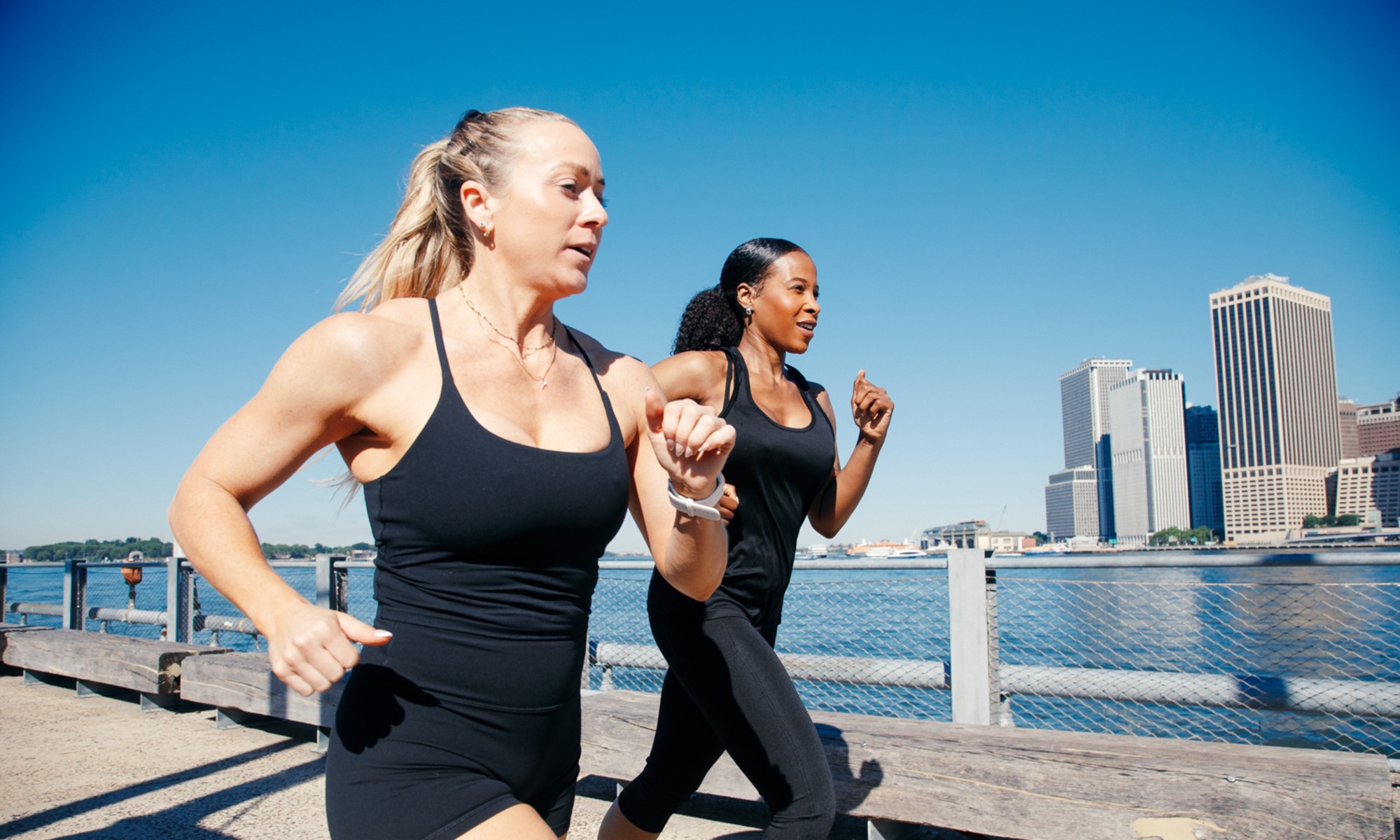
If you are strictly logging miles, you are doing something right.
But here is the thing. A new study suggests you might be leaving cognitive benefits on the table.
The question isn’t just how much you move. It is what kind of movement you choose. Researchers found that endurance exercise and dance support different aspects of brain function in adults aged 60 to 78. Relying on one alone might miss half the picture.
What the study actually found
Exercise is good for the brain. We know this.
But does it matter which exercise you do?
To find out, researchers recruited 72 adults. They split them into three groups.
- Regular dancers.
- Endurance exercisers (runners, cyclists, swimmers).
- An inactive control group.
Both active groups had been moving for at least four hours a week. For five years. No weekend warriors. Consistent routines.
Then came the testing. Three cognitive tests measured specific brain skills.
The Flanker test. It measures how fast you can focus while ignoring distractions.
The Trail Making test. This looks at task-switching ability.
The Corsi Block test. It checks visuospatial working memory.
Here is where it got interesting.
Only one test showed a real difference between the groups. The Flanker test.
Endurance athletes were faster overall. They processed information quickly. But when the test got hard, they slowed down.
Dancers were different. They maintained their speed. They slowed down less under distraction.
Dance may help train the kind of focused attention that doesn’t fold when things get complicated.
The other two tests? No significant difference between the groups.
Why cardio and dance hit different brain pathways
Think about what your brain is doing while you run.
It is repetitive. Predictable. Your body settles into a rhythm. You aren’t solving puzzles in real time.
The cognitive boost comes from biology. Better blood flow to the brain. More BDNF, the protein that helps brain cells grow. Improved neural efficiency over time.
Dance works differently.
Researchers call it a “serial” skill.
You have to memorize sequences. Reproduce them. Sync with rhythm. Read visual and auditory cues. Adapt as patterns change.
It is a lot.
It engages working memory. Sensorimotor integration. Flexible thinking.
So yes. Cardio helps your brain process information faster. But dance helps it stay nimble.
How to build a brain-smart movement routine
You don’t have to choose.
This research isn’t an argument to quit the gym for a ballet class. It is a case for mixing things up.
These two types of movement target different skills. They are complementary.
Keep your aerobic base.
Running, cycling, swimming. These support processing speed. They help with general attentional efficiency. The kind of focus that gets you through a normal day.
Add something complex.
Dance is the obvious choice. But any activity that requires learning sequences works. Reacting to cues. Syncing movement with rhythm. This trains flexible attention. It helps you filter distractions.
Think of them as a pair.
They likely work through different pathways. One sharpens the blade. The other teaches you how to handle it when the room is chaotic.
The brain benefits of exercise are not one-size-fits-all.
Endurance training sharpens speed. Dance builds flexible attention under pressure.
Add both to your routine. It is a practical way to support cognitive longevity.
Aging starts with how you move.
So. Will you stick to the treadmill? Or will you try something that messes with your timing?